So, you love Panda Express chow mein but hate the long drive or the sketchy parking lot fights? Trust me, I get it. Nothing beats that warm, buttery, slightly salty chow mein packed with crunchy veggies and soft noodles. What if I told you you could recreate that magic right in your own kitchen? Yep, no drive-thru drama required.
I’ve spent more than a few weekends obsessed with cracking the perfect Panda Express chow mein recipe. After a ton of taste tests, noodle twirls, and “oops, too much soy sauce” moments, I can finally say: this version is pretty much the real deal. Ready to impress yourself (and maybe your friends) with this takeout classic? Let’s get noodling!
Why Try Making Panda Express Chow Mein at Home?
The Convenience Factor
Let’s be honest, takeout gets old fast. Panda Express is convenient but ordering every time? Not so much. Making chow mein at home saves you those delivery fees and gives you control over ingredients. Plus, you get bragging rights.
Customize to Your Taste
Soy too salty? Add less. Love more veggies? Go wild. Don’t like onions that much? Easy swap. You control the recipe, and it’s exactly how you like it. No chef judging your no-cilantro preference here.
It’s Surprisingly Simple
If you think whipping up restaurant-style chow mein at home means hours of work, think again. This recipe is straightforward, fast, and requires basic ingredients you probably already have (or can get easily). The hardest part? Not eating it all in one sitting.
What Makes Panda Express Chow Mein So Good?
The Perfect Noodle
Panda uses thin egg noodles with a springy texture that soak up sauce without losing structure. Don’t settle for ramen or thick spaghetti; thin egg noodles are the way to go. For more insight, check out this guide to Chinese egg noodles and their styles.
The Sauce That Binds It All
The signature Panda Express chow mein sauce is savory, slightly sweet, and packed with umami. It combines soy sauce, oyster sauce, a bit of sugar, and a touch of sesame oil. This combo clings to every noodle strand and veggie piece.
Crunchy Veggies for the Win
The key veggies? Cabbage, celery, and onions—each adding texture and freshness. They’re lightly cooked to stay crisp rather than mushy. That crunch? Essential.
Ingredients You’ll Need
Let’s get this out of the way first. Here’s the shopping list for your Panda Express chow mein recipe:
- 8 oz thin egg noodles (look for chow mein noodles or thin Chinese egg noodles)
- 1 cup shredded cabbage
- 1/2 cup chopped celery
- 1/2 cup thinly sliced onions
- 2 cloves garlic, minced
- 3 tablespoons soy sauce (low sodium works but regular is fine)
- 1 tablespoon oyster sauce (adds depth—don’t skip!)
- 1 teaspoon sugar
- 1 teaspoon sesame oil
- 2 tablespoons vegetable oil (for stir-frying)
- Salt and pepper to taste
Simple, right? The charm is in the method and timing, not secret ingredients.
Step-by-Step Panda Express Chow Mein Recipe
1. Cook the Noodles Properly
Boil the thin egg noodles according to package instructions, but keep them al dente—not mushy! Drain and rinse with cold water. Toss the noodles with a little vegetable oil to stop sticking. Pro tip: if your noodles stick together, a quick dash of oil fixes that.
2. Sauté the Veggies
Heat 1 tablespoon of vegetable oil in a large skillet or wok over medium-high heat. Toss in the minced garlic first for that aromatic base. Then, add onions, celery, and cabbage. Stir-fry quickly for about 2-3 minutes. You want tender-crisp veggies, not a sad, soggy pile. Season lightly with salt and pepper.
3. Sauce It Up
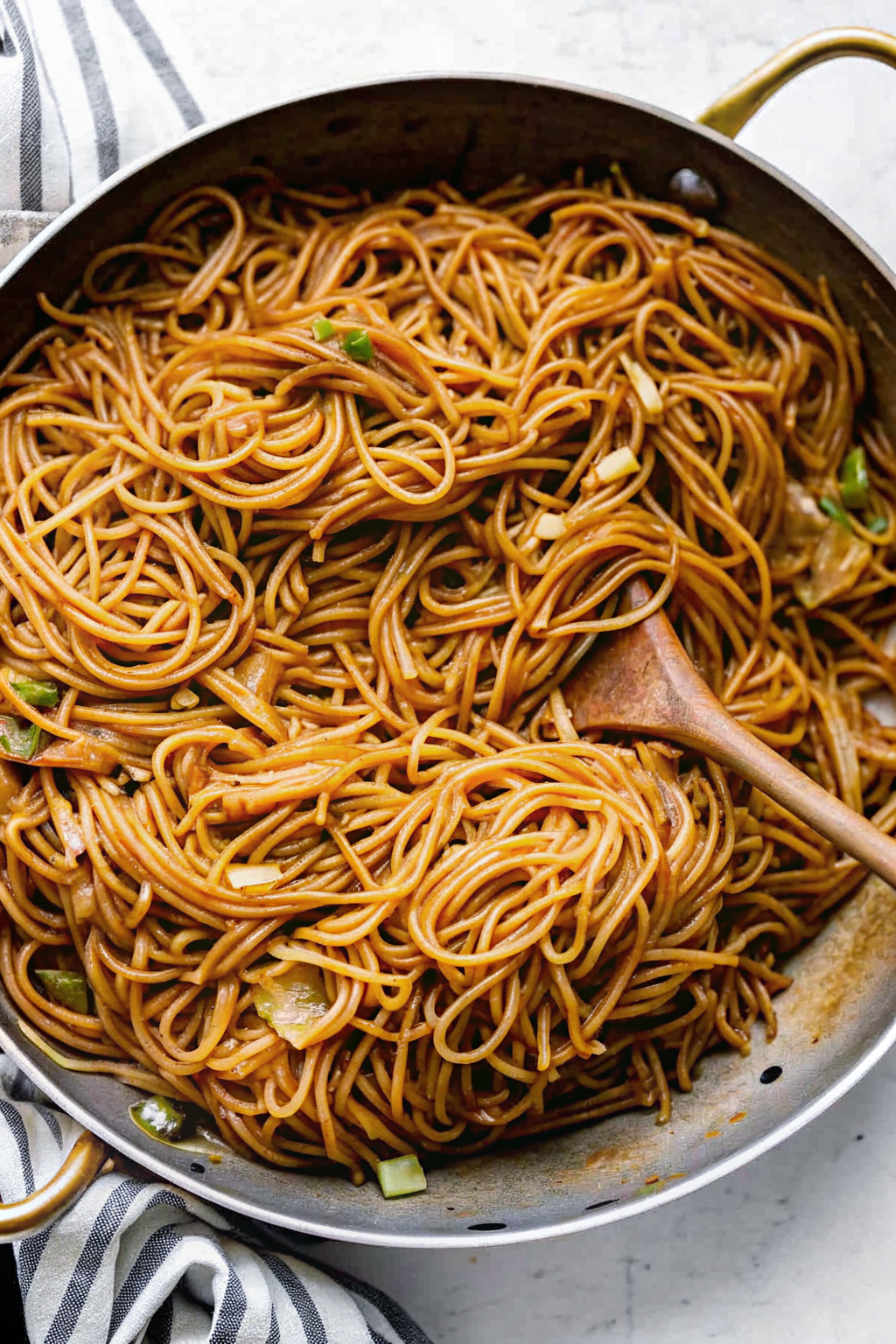
In a small bowl, mix soy sauce, oyster sauce, sugar, and sesame oil. Pour this magical concoction over the veggies in your skillet. Stir everything around to meld the flavors. You’ll immediately notice that classic Panda Express aroma kicking in.
4. Add Noodles and Toss
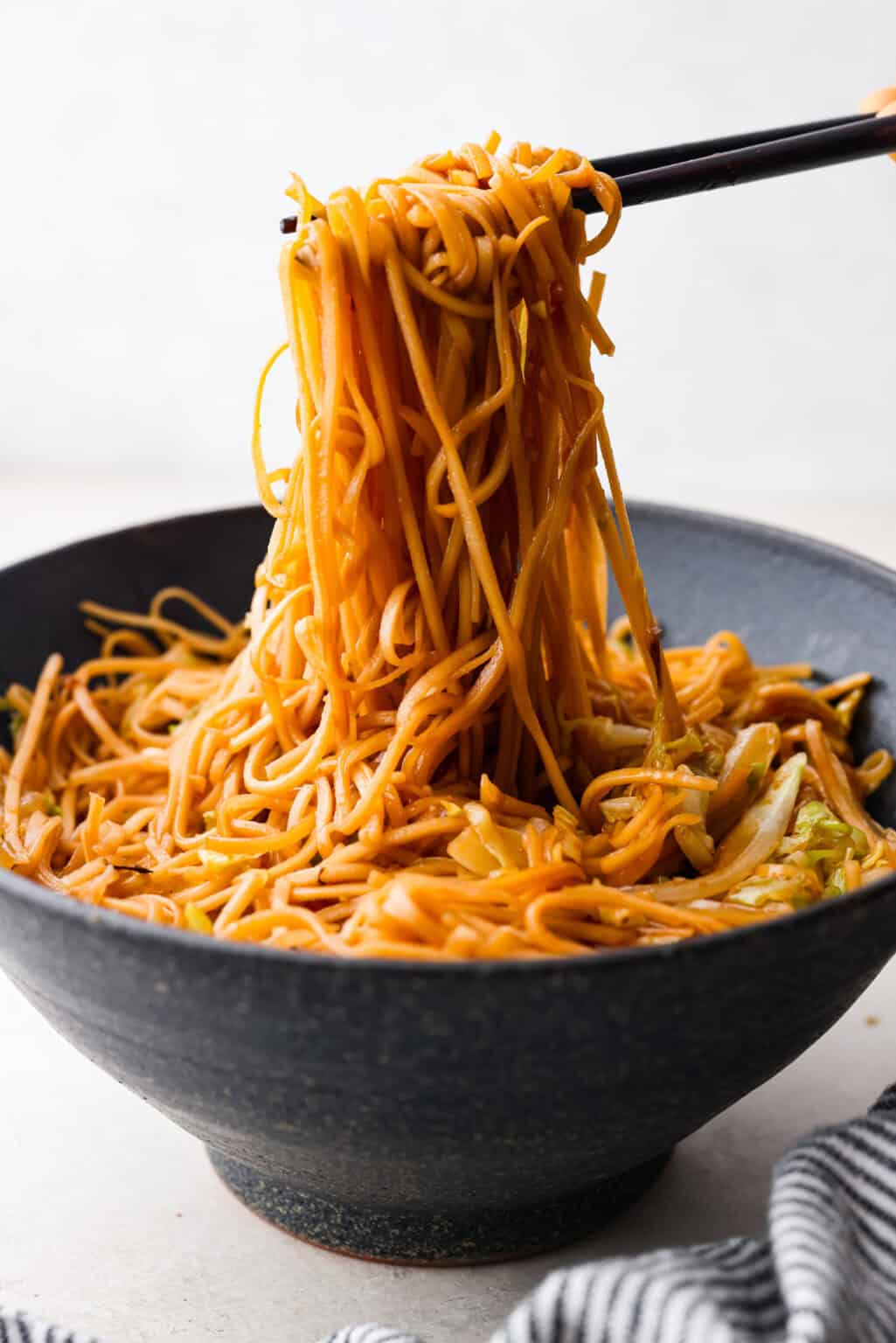
Toss the noodles into the skillet with your veggie sauce. Mix thoroughly to coat every strand with sauce. Keep stirring for another 2 minutes so the noodles heat evenly and soak up the flavor. Taste test here—need a splash more soy? Go for it!
5. Final Touches
Turn off the heat. Give it a quick toss, and you’re done. If you want to get real fancy, sprinkle some sliced green onions or a pinch of toasted sesame seeds on top. But honestly, that’s more for Instagram than flavor.
Tips for Nailing Panda Express Chow Mein at Home
- Don’t overcook the noodles. Mushy noodles ruin the whole vibe.
- Use a wok if you have one. It helps stir-fry evenly, but a large skillet works fine, too.
- Prep veggies ahead. The process moves fast, and you don’t want to be scrambling while noodles get cold.
- Oyster sauce is non-negotiable. It adds that savory depth you can’t fake with soy alone.
- Toss in extra veggies for variety. Bell peppers, mushrooms, or snap peas can work. Just don’t mess too much with the classic.
Variations to Try
Would Panda Express approve of swapping the veggies? Probably not, but hey, this is your kitchen kingdom.
- Chicken Chow Mein: Add grilled or stir-fried chicken strips.
- Spicy Twist: Toss in some chili flakes or a splash of Sriracha for the brave.
- Vegetarian Version: Skip oyster sauce or use a mushroom-based substitute.
- Gluten-Free Version: Use gluten-free soy sauce and rice noodles instead of egg noodles.
See? Flexibility rules here. IMO, starting with the classic first is best, but these variations keep things exciting.
How Does This Panda Express Chow Mein Recipe Compare?
Look, homemade chow mein won’t match the exact factory-perfect uniformity of Panda Express every single time. But honestly? It comes pretty close and tastes fresher. You control the sodium, oil, and oil quality. Plus, no weird preservative aftertaste.
Also, homemade means you get more noodles and veggies per serving for less cash. Win-win. When I’ve thrown this together for friends, they often admit it’s better than takeout. Score!
Where to Find Thin Egg Noodles and Oyster Sauce?
Most Asian grocery stores carry both, but you can also find them online or sometimes even in big supermarkets.
If you need a quick search, try Asian Food Network for trusted ingredient sources and tips. FYI, buying these in bulk saves money and keeps you stocked for other fun recipes.
Wrap-Up: Are You Ready to Chow Mein Like a Pro?
Making Panda Express chow mein at home isn’t rocket science, but it does require a little know-how. Follow these tips and recipe steps, and you’ll whip up something impressive without breaking a sweat.
Whether you crave it on a lazy Friday night or want to impress your pals with homemade Chinese takeout, this recipe’s your secret weapon. So, are you ready to toss those noodles and stir-fry like a boss?
Don’t just take my word for it—grab those noodles, get cooking, and see how delicious homemade chow mein can be. Warning: side effects may include spontaneous panda dancing and no regrets over late-night cravings.
Remember, cooking is an adventure, and sometimes the best meals come from DIY versions of chain favorites. Here’s to many happy chow mein nights ahead!
Easy Panda Express Chow Mein Recipe
Author: Prep: 10 minutes Cook: 15 minutes Total: 25 minutesEquipment
- Large Skillet
- Wok
- Small Bowl
Ingredients
Thin Egg Noodles
- 8 oz thin egg noodles
Vegetables
- 1 cup shredded cabbage
- 0.5 cup chopped celery
- 0.5 cup thinly sliced onions
- 2 cloves garlic, minced
Sauce Ingredients
- 3 tablespoons soy sauce
- 1 tablespoon oyster sauce
- 1 teaspoon sugar
- 1 teaspoon sesame oil
Cooking Oils and Seasoning
- 2 tablespoons vegetable oil
- to taste salt
- to taste pepper
Instructions
Cook Noodles
- Boil the thin egg noodles until al dente, then drain and rinse with cold water.
- Toss noodles with a little vegetable oil to prevent sticking.
Sauté Vegetables
- Heat 1 tablespoon vegetable oil in a skillet or wok over medium-high heat.
- Add minced garlic and stir-fry briefly for aroma.
- Add onions, celery, and cabbage, and stir-fry for 2-3 minutes until tender-crisp.
- Season lightly with salt and pepper.
Make Sauce and Combine
- Mix soy sauce, oyster sauce, sugar, and sesame oil in a small bowl.
- Pour the sauce over the vegetables and stir to combine flavors.
- Add noodles to the skillet and toss to coat evenly with sauce.
- Cook for an additional 2 minutes to heat through and blend flavors.
Finish and Serve
- Turn off heat and toss noodles once more.
- Optionally garnish with sliced green onions or toasted sesame seeds before serving.
Notes
Nutrition