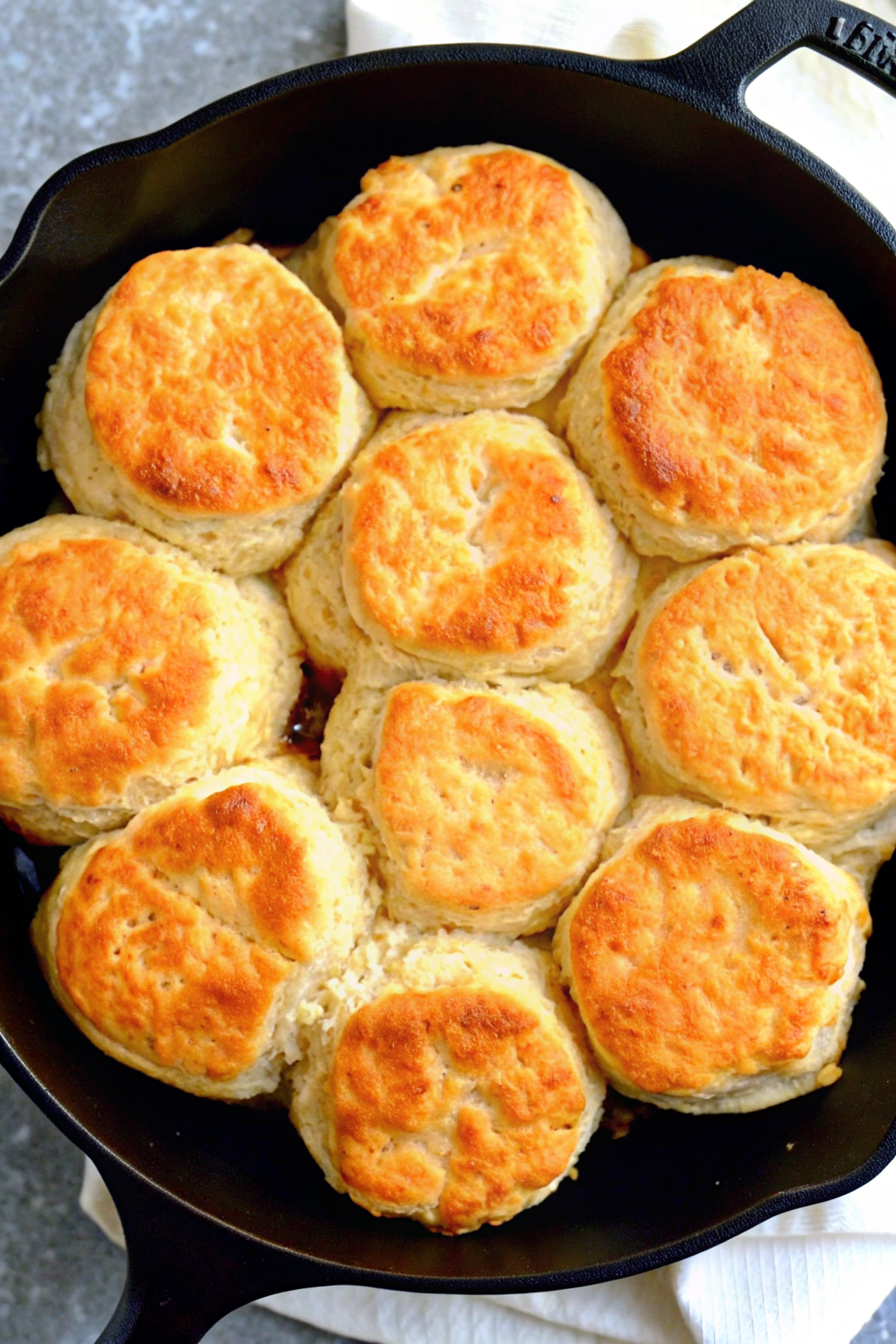
Let’s be honest with each other for a minute. Is there anything on this planet more satisfying than pulling a hot, golden-brown biscuit out of the oven? I don’t think so. You split it open while it’s still steaming, burning your fingertips just a little because patience is overrated. But then comes the most critical decision of your morning: the butter.
If you reach for unsalted butter, we might have a problem.
Biscuits with salted butter aren’t just food; they are a spiritual experience. That hit of salt against the rich, creamy fat and the tender crumb of the bread wakes up your taste buds in a way that plain butter just can’t achieve. Today, we are going to fix your biscuit game. We will talk about why salted butter reigns supreme, how to get those sky-high flaky layers, and how to stop baking dense hockey pucks that could break a window.
The Great Butter Debate: Why Salted Wins
Professional bakers love to preach about unsalted butter. They tell you it allows you to “control the salt content” in your baking. While that makes sense for a delicate raspberry soufflé, biscuits require a different approach. IMO, biscuits demand aggression.
Salt brings out flavor.
When you use salted butter in the dough—and especially on top—you amplify the tangy flavor of the buttermilk and the nuttiness of the toasted flour. Without it, you’re just eating bland carbs. Salted butter provides that savory punch that makes you go back for a second (or third) helping.
The Finish Matters Most
You can bake the best biscuit in the world, but if you brush it with flavorless oil or unsalted butter at the end, you wasted your time. You need that crystalline, salty finish on the crust. It cuts through the richness and balances the jam or honey you might add later.
Quality Over Quantity
Since butter is the main flavor profile here, buy the good stuff.
- European Style: These butters have a higher fat content (usually 82% or more) compared to American butter. Less water means more flake.
- Sea Salt Crystals: Some premium brands mix in actual crystals of sea salt. If you find this, buy it immediately. You won’t regret it.
The Science of the Flake
How do you get those layers that peel apart like pages in a book? It’s not magic; it’s thermodynamics.
You need cold fat.
When you put cold chunks of salted butter into the oven, they melt. As they melt, they release water in the form of steam. That steam pushes the dough upward, creating a hollow pocket. Hundreds of these tiny pockets result in flaky layers. If your butter melts before it hits the oven, you get a dense, greasy muffin. No thank you.
The Flour Factor
You also need the right flour. Southern bakers swear by White Lily flour, and for good reason. It is made from soft red winter wheat, which has less protein than standard all-purpose flour. Less protein means less gluten. Less gluten means a tender, melt-in-your-mouth texture. If you can’t find it, look for a low-protein pastry flour or mix your all-purpose flour with a little cornstarch.
Step-by-Step: Constructing the Perfect Biscuit
Let’s walk through this. I want you to visualize the process so you don’t panic when your hands are covered in dough.
1. The Prep Work
Preheat your oven to a blazing 450°F (232°C). Yes, that is hot. Biscuits need a violent burst of heat to rise before the structure sets. If your oven is too cool, the butter melts slowly, and the biscuits spread out flat.
2. The Dry Mix
Grab a large bowl. Whisk together your flour, baking powder, sugar (just a little), and baking soda. I also add a teaspoon of salt here, even if I’m using salted butter. We are not afraid of flavor in this house.
3. The Butter Incorporation
Take a stick of frozen salted butter. Grab a box grater. Grate the butter directly into the flour mixture. This creates perfect, uniform ribbons of fat. Toss the butter in the flour so every piece coats thoroughly. Put the bowl in the freezer for 10 minutes if your kitchen feels warm.
4. The Wet Mix
Make a well in the center. Pour in cold buttermilk. Stir gently with a fork or a rubber spatula. Stop stirring the second the dough comes together. It should look shaggy and messy. If it looks smooth, you overworked it, and you will have tough biscuits.
5. The Fold (Crucial Step)
Dump the dough onto a floured surface. Pat it into a rectangle. Fold it in half like a letter. Turn it 90 degrees. Pat it down and fold again. Do this 3–4 times. This process creates those physical layers we talked about earlier.
6. The Cut
Pat the dough out to about an inch thick. Dip your biscuit cutter in flour. Press straight down. Do not twist.
I repeat: Do not twist the cutter.
Twisting seals the edges of the dough, preventing the biscuit from rising. Pull the cutter straight up.
7. The Bake
Place the biscuits on a parchment-lined baking sheet. Make sure they touch each other. When they touch, they support each other as they rise, leading to taller biscuits. Bake for 12–15 minutes until the tops are golden brown.
The Finishing Touch
This is where the magic happens.
Melt two tablespoons of salted butter. As soon as you pull that pan out of the oven, brush the tops of the biscuits generously. The hot bread absorbs the butter instantly, leaving the salt on the surface.
If you really want to elevate the experience, you can whip up a batch of emade honey butter to drizzle over the top. The combination of the sweet honey and the salty butter on a hot biscuit creates a flavor profile that hits every pleasure center in the brain. It’s dangerous, but in the best way possible.
Troubleshooting: Why Did My Biscuits Fail?
Look, we’ve all baked a tray of sadness before. If your biscuits didn’t turn out right, let’s identify the culprit so you don’t repeat the mistake.
- Problem: They are flat and heavy.
- Cause: Your butter was too warm, or your baking powder expired. Check the date on your leaveners!
- Problem: They are tough and chewy.
- Cause: You overworked the dough. Treat the dough like a delicate flower, not a stress ball.
- Problem: They burned on the bottom.
- Cause: Your oven runs hot, or you used a dark metal pan on the bottom rack. Move the rack up one notch next time.
For a deeper dive into the chemistry of why this happens, check out this guide on common biscuit mistakes from the pros.
Serving Suggestions
You have a basket of hot biscuits with salted butter. Now what?
Obviously, eating them plain is a valid life choice. But let’s expand our horizons.
The Savory Route
Biscuits are the ultimate vehicle for gravy. But they also work incredibly well as a side for hearty dinners. I personally love dunking a salty, buttery biscuit into a bowl of easy beef chili. The bread soaks up the spicy tomato sauce and adds a rich texture that crackers just can’t compete with.
You can also serve them alongside a classic vegetable dish. Imagine a plate with a seared pork chop, a fluffy biscuit, and a heap of southern fried cabbage. The sweetness of the cabbage pairs perfectly with the saltiness of the biscuit.
The Sweet Route
If you have a sweet tooth, split the biscuit and toast the cut sides in—you guessed it—more salted butter. Top with strawberry jam or apple butter. The contrast between the crispy, salty surface and the sweet fruit preserve is unmatched.
Storage and Reheating
Let’s assume you have leftovers (unlikely, but possible).
Do not put them in the fridge. The refrigerator dries out bread faster than the Sahara Desert. Store them in an airtight container on the counter for up to two days.
To Reheat:
Please, I beg you, skip the microwave. The microwave turns the crust soft and the inside rubbery.
Instead, preheat your oven or toaster oven to 350°F (175°C). Wrap the biscuits in foil to keep them moist. Heat them for 5–10 minutes. They will taste almost as good as fresh.
FYI, you can also freeze the unbaked dough. Cut the biscuits out, freeze them on a baking sheet, and then toss them in a bag. When you want breakfast, just bake them from frozen—add about 3 to 5 minutes to the cooking time.
Why This Comfort Food Matters
We live in a fast-paced world. Everything is instant, digital, and rushed. Making biscuits from scratch forces you to slow down. You have to feel the flour. You have to wait for the oven. You have to pay attention to the simple details.
There is a reason people get emotional about their grandmother’s biscuits. It’s not just about the calories; it’s about the care. When you serve someone a homemade biscuit brushed with salted butter, you are telling them that they are worth the effort. You are creating a memory.
Plus, you get to eat the scraps of dough that didn’t make it into a full biscuit. That is the baker’s tax, and you should pay it happily.
Final Thoughts
Don’t let the fear of failure stop you. Biscuit making is a practice. Your first batch might look a little wonky. Who cares? Even an ugly biscuit tastes delicious when it’s drowning in high-quality salted butter.
Go check your fridge. Do you have buttermilk? Do you have butter? Then you have dinner plans. Get in the kitchen, turn on some music, and make a mess.
So, are you ready to ditch the unsalted stuff and join the dark side? Trust me, it’s tastier over here.
Now, go preheat that oven.

Flaky Biscuits with Salted Butter
Author: Prep: 15 minutes Cook: 15 minutes Total: 35 minutesEquipment
- Large mixing bowl
- Box Grater (essential for cold butter!)
- 2.5-inch Round Biscuit Cutter
- Baking sheet
- Parchment paper
- Pastry brush
Ingredients
The Dry Mix:
- 2 ½ cups All-Purpose Flour White Lily is preferred for extra tenderness
- 1 tbsp baking powder
- ½ tsp baking soda
- 1 tsp salt
- 2 tsp granulated sugar
The Fats & Liquid:
- ½ cup 1 stick salted butter, frozen solid
- 1 cup cold buttermilk plus a little extra if needed
The Finish:
- 2 tbsp salted butter melted
Instructions
- Heat the Oven: Preheat your oven to 450°F (232°C). Line a baking sheet with parchment paper. We need the oven hot so the steam creates those flaky layers!
- Mix Dry Ingredients: In a large bowl, whisk together the flour, baking powder, baking soda, salt, and sugar.
- Grate the Butter: Take your stick of frozen salted butter and grate it using the large holes of a box grater directly into the flour mixture. Toss the butter shreds with the flour until they are coated and separated.
- Add the Buttermilk: Make a well in the center and pour in the cold buttermilk. Stir gently with a fork or rubber spatula just until a shaggy dough forms. Do not overmix, or you’ll end up with tough biscuits!
- Fold for Layers: Turn the dough onto a lightly floured surface. Pat it into a rectangle. Fold it in half like a letter, rotate 90 degrees, and pat it down again. Repeat this folding process 3 to 4 times to build up the structure.
- Cut the Biscuits: Pat the dough out to about 1-inch thickness. Dip your biscuit cutter in flour and press straight down. Do not twist the cutter! Twisting seals the edges and stops the rise.
- Bake: Arrange the biscuits on the baking sheet so they are touching each other (this helps them rise taller). Bake for 12 to 15 minutes until the tops are golden brown.
- The Butter Bath: Remove from the oven and immediately brush the tops generously with the melted salted butter. Serve warm!
Notes
- Why Salted Butter? Making Biscuits with Salted Butter gives you a savory depth that unsalted butter just can’t match. It pairs perfectly with sweet jams or savory gravies.
- Keep it Cold: If your kitchen is warm and the butter starts melting before baking, pop the tray in the freezer for 10 minutes before putting it in the oven.
- Reheating: Avoid the microwave! Reheat leftovers in a 350°F toaster oven for 5 minutes to keep the crust crisp.
- Leftover Dough: You can gently press the scraps together to cut more biscuits, but keep in mind these “second cuts” won’t be quite as pretty or tall as the first batch. (But they still taste great!)
Nutrition