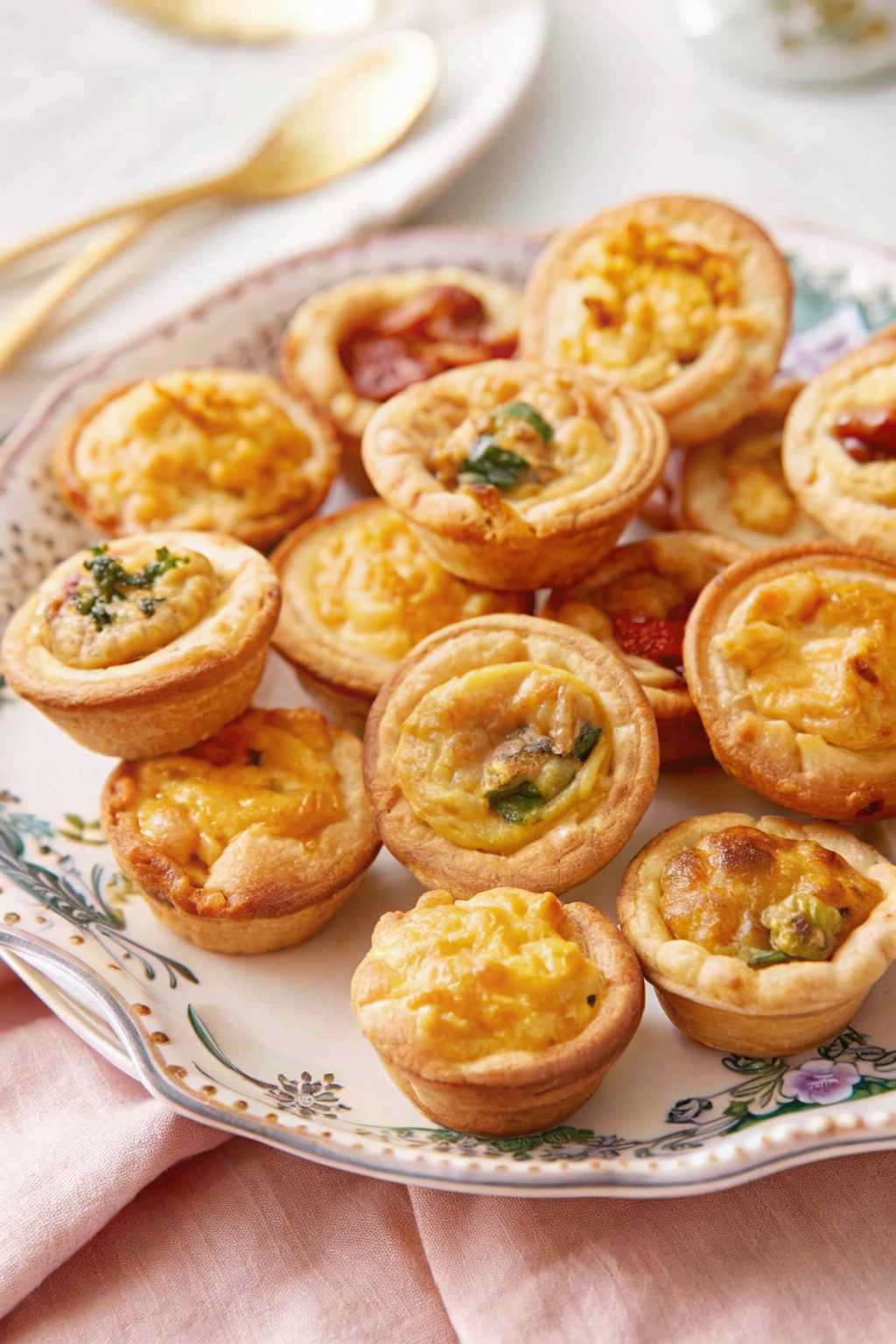
Let’s be real for a second: is there any appetizer more deceptive than the mini quiche? They look so elegant and sophisticated sitting on a silver platter at a party. They scream “I have my life together.” Yet, in reality, they are basically tiny egg pies that you can throw together with whatever leftovers are rotting in your fridge.
I have a serious weakness for them. You tell yourself you will just have one or two to be polite. Then, ten minutes later, you realize you have inhaled six of them and ruined your appetite for dinner. But honestly? It’s worth it.
Mini quiches are the ultimate finger food. They are savory, creamy, and boast that perfect ratio of buttery crust to fluffy egg. Whether you are hosting a brunch, prepping grab-and-go breakfasts, or just need a snack that isn’t a bag of chips, these little guys deliver.
So, put down the frozen box from the warehouse store (we can do better than that), and let’s chat about how to master the art of the miniature quiche.
The Foundation: To Crust or Not to Crust?
This is the first major decision you have to make, and it usually divides the room. Do you want a pastry shell, or are you going for the “egg muffin” vibe?
The Traditional Pastry Route
If you want the full experience, you need a crust. The contrast between the flaky, buttery pastry and the soft custard makes this dish iconic.
You have a few options here:
- Pie Crust: You can roll out store-bought pie dough or make your own. You use a round cookie cutter to punch out circles and press them into a mini muffin tin. It’s classic.
- Puff Pastry: This is for when you feel fancy. It puffs up in the oven and creates a shatteringly crisp shell. IMO, this is the best option for parties.
- Wonton Wrappers: Hear me out. If you press a wonton wrapper into a muffin tin and bake it, it becomes incredibly crispy and thin. It saves calories and adds a delightful crunch without the heaviness of dough.
The Crustless “Quiche”
Okay, techncially, without a crust, it’s a frittata bite. But for the sake of simplicity, we still call them crustless quiches.
These are fantastic if you are watching your carbs or if you just hate messing with dough. The key here is grease. You must grease your muffin tin aggressively. If you don’t, you will spend the next hour scrubbing baked-on egg out of the corners of the pan. Silicon muffin liners are a lifesaver here.
The Custard: The Science of the Fluff
You cannot just crack an egg into a cup and call it a quiche. That is a baked egg. A quiche requires custard.
The secret to that velvety, melt-in-your-mouth texture lies in the dairy. You need fat. Skim milk has no place here.
I recommend a mix of heavy cream and whole milk. The heavy cream provides the richness, while the milk keeps it from becoming too dense.
The Golden Ratio
For a standard batch, a good rule of thumb is one part egg to one part dairy.
- Too much egg? You get a rubbery texture that bounces when you chew it :/
- Too much dairy? You get a soup that never sets.
Whisk your eggs and dairy together until they are fully combined but not overly frothy. You want a smooth mixture, not a meringue. Add a pinch of salt, pepper, and a dash of nutmeg. Trust me on the nutmeg—it adds a background warmth that makes people wonder why your quiche tastes so much better than theirs.
Managing Moisture: The Soggy Bottom Enemy
Nothing ruins a mini quiche faster than a soggy bottom. The culprit? Your vegetables.
Vegetables like spinach, mushrooms, and zucchini are mostly water. If you throw them into your filling raw, they will release that water while they bake. The result is a watery egg mess and a doughy, undercooked crust.
You must cook your vegetables first.
Sauté the mushrooms until they are dry and brown. Wilt the spinach and then—this is crucial—squeeze every drop of liquid out of it. Wrap it in a paper towel and wring it out like a wet rag.
By removing the moisture beforehand, you ensure that your custard sets perfectly and your crust stays crisp.
Flavor Combinations: Get Creative
Now comes the fun part. You have your crust (or not) and your custard base. The fillings are where you show off your personality.
You only need a tiny amount of filling for each cup. We are talking about a teaspoon of mix-ins. Don’t overstuff them, or there won’t be room for the egg.
Here are a few combinations that never fail:
- The Lorraine: Bacon, onion, and Gruyere cheese. It’s the gold standard for a reason. The smoky bacon cuts through the rich custard perfectly.
- The Greek: Spinach, feta cheese, and sun-dried tomatoes. It’s salty, tangy, and colorful.
- The Spice Lover: If you enjoy a kick, try adding diced jalapeños, cheddar, and a little cream cheese. It reminds me of the flavors in a really good jalapeno popper dip, but in breakfast form.
- The Earthy One: Mushrooms, thyme, and goat cheese. The goat cheese doesn’t melt fully, so you get these lovely pockets of creamy tang.
The Cheese Factor
Let’s be honest: cheese is the glue that holds this operation together.
You want a cheese that melts well but also has flavor.
- Cheddar: Sharp and reliable.
- Swiss/Gruyere: Nutty and classic.
- Feta/Goat: Good for texture contrast.
- Mozzarella: A bit too mild, in my opinion. It gets lost in the egg.
Grate your own cheese. Pre-shredded cheese comes coated in potato starch to keep it from clumping in the bag. That starch prevents the cheese from melting into that gooey consistency we want. Grab a block and a grater. It takes two minutes.
The Baking Process
Preheat your oven to 375°F (190°C). This temperature is the sweet spot. It’s hot enough to brown the crust but gentle enough to cook the eggs without curdling them.
Assembly Line Strategy
- Prep the Crust: Press your dough into the mini muffin tins.
- Fill: Place your solid ingredients (cheese, veggies, meat) into the crusts first. Do not mix them into the liquid custard. By placing them in the cups first, you ensure every quiche gets an equal amount of goodies.
- Pour: Carefully pour the egg mixture over the fillings. I like to use a measuring cup with a spout for this to avoid making a mess. Fill them about three-quarters of the way up. They will puff as they bake.
Bake them for 20–25 minutes. You want the tops to look puffed and golden brown.
The Jiggle Test: Give the pan a gentle shake. The centers should look set, not liquid. They might jiggle slightly, like gelatin, but they shouldn’t slosh.
Cooling and Deflating
Here is the heartbreaking reality of mini quiches: They will deflate.
They look magnificent in the oven—puffy, tall, and proud. As soon as you take them out, the cool air hits them, and they sink. This is normal. Do not panic. They still taste amazing.
Let them cool in the pan for about 5–10 minutes. This allows the structure to firm up. If you try to pry them out immediately, they will crumble in your hands, and you will be sad.
Run a small offset spatula or a butter knife around the edges to loosen them, then pop them out onto a wire rack.
Serving Suggestions: The Brunch Spread
Mini quiches are obviously the star of the show, but they need friends. If you are hosting a brunch, you need to balance the savory with the sweet.
I love serving a platter of warm quiches alongside a stack of sticky, sweet treats. A batch of homemade cinnamon rolls makes for the perfect counterpart. The sugar rush from the rolls balances the salty richness of the eggs. Add a fruit salad and some strong coffee, and you have won the hosting game.
They also work for lunch. Throw three or four in a container with some cherry tomatoes and snap peas. It beats a sad sandwich any day.
Freezing and Reheating: The Meal Prep Hack
One of the best things about mini quiches is that they are practically indestructible in the freezer.
To Freeze:
Bake them and cool them completely. Lay them out on a baking sheet in a single layer and freeze them until they are solid (about an hour). Then, transfer them to a zip-top bag. This method prevents them from sticking together in one giant ice block.
To Reheat:
Do not—I repeat, do not—use the microwave. The microwave turns the crust soggy and the eggs rubbery.
Use your toaster oven or air fryer.
- Oven/Toaster Oven: 350°F for about 10 minutes.
- Air Fryer: 300°F for 5–6 minutes.
They come out tasting freshly baked. The crust gets crisp again, and the inside stays fluffy.
Troubleshooting Common Disasters
Even simple recipes go wrong sometimes. Let’s fix it.
- “My crust is raw on the bottom.”
You probably used a ceramic or glass dish. Metal muffin tins conduct heat better and ensure a crispy bottom. Also, try baking them on the bottom rack of the oven. - “The egg overflowed and stuck to the pan.”
You overfilled them. Eggs expand when they cook. Next time, leave a little more headroom. - “They taste bland.”
Eggs need salt. More than you think. If you didn’t season the custard and your fillings are bland, the result will be boring. Taste your fillings before you put them in.
Handling the Dough (If You Go Homemade)
If you decide to make your own pie crust, treat it gently. Overworking the dough develops gluten, which makes the crust tough instead of flaky.
It’s actually the opposite of making homemade pizza dough. With pizza, you want to knead and stretch to create chewiness. With pie crust, you want to handle it as little as possible to keep it tender. Keep your butter cold, your water ice-cold, and your hands quick.
Why We Love Them
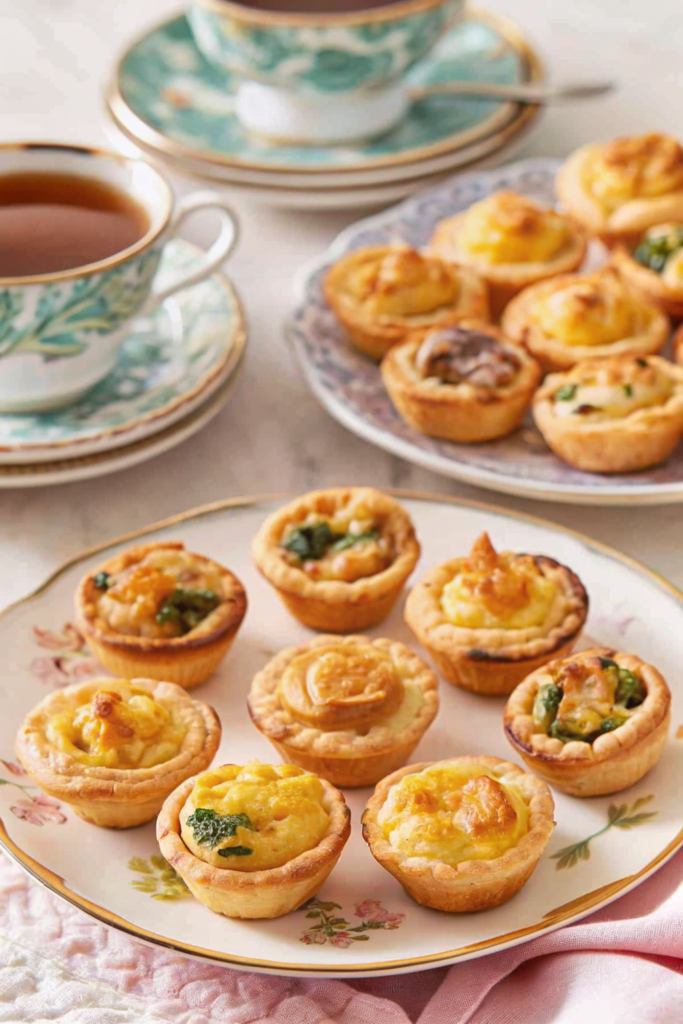
There is something undeniably charming about miniature food. It makes us feel like giants. But beyond the novelty, mini quiches are a testament to how simple ingredients—eggs, cream, flour—can transform into something luxurious.
They are a blank canvas. You can make them elegant with crab and asparagus, or you can make them rustic with sausage and peppers. They adapt to whatever you have on hand.
I recently brought a platter of these to a potluck. I used store-bought phyllo shells (the little frozen cups) and filled them with a mixture of caramelized onions and brie. They took me 20 minutes to assemble. They were the first thing to disappear. People were chasing me down for the recipe. I almost felt guilty telling them how easy it was. Almost.
Final Thoughts
If you have never made mini quiches because you thought they were too difficult or “chef-y,” consider this your sign to try.
Start with a store-bought crust to lower the stakes. Raid your fridge for leftover veggies and cheese. Whisk up some eggs and cream.
The result is a warm, savory bite that feels like a hug. Whether you eat them standing over the kitchen counter (guilty) or serve them on your finest china, they deliver joy.
So, go preheat your oven. Your muffin tin is waiting for something better than blueberry muffins.
For a deeper dive into the science of why custard sets the way it does, Serious Eats has an incredible guide that explains the protein structures. It’s nerdy, but it helps you understand why temperature control matters so much.
Now, if you’ll excuse me, I have some spinach that needs squeezing. Happy baking!
Easy Cheesy Mini Quiches
Author: Prep: 15 minutes Cook: 20 minutes Total: 45 minutesEquipment
- Mini Muffin Tin (24-cup)
- Round Cookie Cutter (2.5 inch)
- Mixing Bowl with Spout (or large measuring cup)
- Whisk
- Wire Cooling Rack
Ingredients
The Crust
- 1 package refrigerated pie crusts 2 rolls, or homemade dough
The Custard Base
- 4 large eggs
- ½ cup heavy cream
- ½ cup whole milk
- ½ teaspoon kosher salt
- ¼ teaspoon black pepper
- ⅛ teaspoon ground nutmeg optional, but recommended!
The Fillings (Classic Lorraine):
- ½ cup cooked bacon crumbled
- ½ cup Gruyère or Swiss cheese freshly grated
- 2 tablespoons chives or green onions finely chopped
Instructions
- Preheat & Prep: Preheat your oven to 375°F (190°C). Lightly grease your mini muffin tin with non-stick spray to ensure the quiches pop out easily later.
- Cut the Dough: Unroll your pie crusts on a lightly floured surface. Using a 2.5-inch round cookie cutter (or the rim of a glass), cut out 24 circles. You may need to re-roll the scraps to get all 24.
- Form the Shells: Gently press the dough circles into the muffin cups. Make sure to press them into the bottom corners so they don’t shrink too much during baking.
- Fill the Cups: Distribute your solid ingredients (bacon, cheese, and chives) evenly into the bottom of each crust cup. Tip: Putting the fillings in first ensures every bite is loaded with goodies!
- Whisk the Custard: In a mixing bowl or large liquid measuring cup, whisk together the eggs, heavy cream, milk, salt, pepper, and nutmeg until smooth and combined.
- Pour: Carefully pour the egg mixture over the fillings in each cup, filling them about ¾ of the way full. Do not overfill, or they will puff up and spill over the edges.
- Bake: Bake for 20–25 minutes, or until the crusts are golden brown and the tops are puffy. Give the pan a gentle shake—the centers should be set and not liquid.
- Cool: Remove from the oven. They will deflate slightly as they cool—this is totally normal! Let them sit in the pan for 10 minutes to firm up, then run a butter knife around the edges to pop them out onto a wire rack.
Notes
- Crustless Option: Want to cut the carbs? Skip the pie dough! Just grease the muffin tin very generously (or use silicone liners) and pour the egg mixture directly over the fillings for a delicious frittata bite.
- Make Ahead & Freeze: These mini quiches are freezer champions. Bake them, cool them completely, and freeze them in a single layer on a baking sheet. Once frozen solid, transfer to a zip-top bag for up to 3 months.
- Reheating: To reheat from frozen, pop them in a 350°F oven or air fryer for 8–10 minutes. Avoid the microwave, or the crust will get soggy.
- Vegetable Tips: If you want to swap the bacon for veggies (like spinach or mushrooms), make sure to sauté them first and squeeze out all the excess liquid. Wet veggies equal a soggy crust!