Let’s be real for a minute. Is there anything more universally loved yet intimidating to pronounce than a charcuterie board? We’ve all been there—staring at a menu or a Pinterest post, mumbling “shark-coochie-board” under our breath and hoping no one notices. But here is the secret that fancy restaurants don’t want you to know: it is basically just an adult Lunchable. And I mean that with the utmost respect.
You don’t need a culinary degree to assemble a stunning board. In fact, you barely even need to cook. I used to stress out about hosting, thinking I needed to whip up complex soufflés or perfectly timed roasts. Then I realized that if I put a pile of cheese and some crackers on a wooden plank, my guests act like I’m a genius. It’s the ultimate low-effort, high-reward party trick. We are going to break down exactly how to build a board that looks expensive, tastes amazing, and keeps your sanity intact.
The Foundation: Choosing Your Board
First things first, you need a vessel. Do not overthink this. I have seen people spend hundreds of dollars on “artisanal grazing platters” made from rare wood found only in the Amazon. Please don’t do that. IMO, the food covers 90% of the surface anyway, so the board itself plays a supporting role.
You likely already own something that works perfectly.
- Wooden Cutting Boards: These are the classic choice. They look rustic, warm, and inviting. Plus, you can cut directly on them without crying over scratches.
- Slate or Stone: These offer a sleek, modern look. The dark background makes the cheese pop visually. Just be careful—knives dull faster on stone, and the screeching sound of a knife dragging across slate is the stuff of nightmares. :/
- Baking Sheets: Hear me out. If you are feeding a massive crowd, flip a rimmed baking sheet upside down or line the inside with parchment paper. It holds a ton of food and catches crumb spills.
Size matters. If you pick a board that is too big, it looks sparse and sad. If you pick one that is too small, everything falls onto the table when someone grabs a grape. Aim for a medium size and pack it tight. The goal is “controlled chaos” or what the pros call “abundance.”
The Cheeses: The Holy Trinity
Cheese anchors the entire operation. Without good cheese, you just have a plate of crackers. I follow a simple “Rule of 3” to keep things balanced without overwhelming my taste buds (or my wallet).
1. The Hard Cheese
You need something familiar and sturdy. This is the crowd-pleaser that even picky eaters will recognize.
- Aged Cheddar: Look for something sharp and crumbly.
- Manchego: This Spanish sheep’s milk cheese has a buttery texture that I absolutely adore.
- Parmigiano-Reggiano: Break it into jagged chunks rather than slicing it. The texture creates a rustic vibe.
2. The Soft Cheese
This spreads easily and feels luxurious. It acts as the rich, creamy counterpart to the crunchy crackers.
- Brie or Camembert: Serve this as a wedge or a wheel. Pro tip: Let this sit out for at least an hour before serving. Cold Brie tastes like waxy plastic. Room temp Brie tastes like heaven.
- Goat Cheese: A log of chèvre, perhaps rolled in herbs or cranberries, adds a nice tangy kick.
- Burrata: If you want to show off, put a ball of burrata in a small bowl with some olive oil. It is messy, but worth it.
3. The Funky or Flavored Cheese
This is where you get adventurous. You want something that sparks conversation.
- Blue Cheese: Gorgonzola or Roquefort offers that sharp, pungent bite.
- Flavored Gouda: I recently tried a truffle-infused Gouda that changed my life. Smoked Gouda is also a safe but delicious bet.
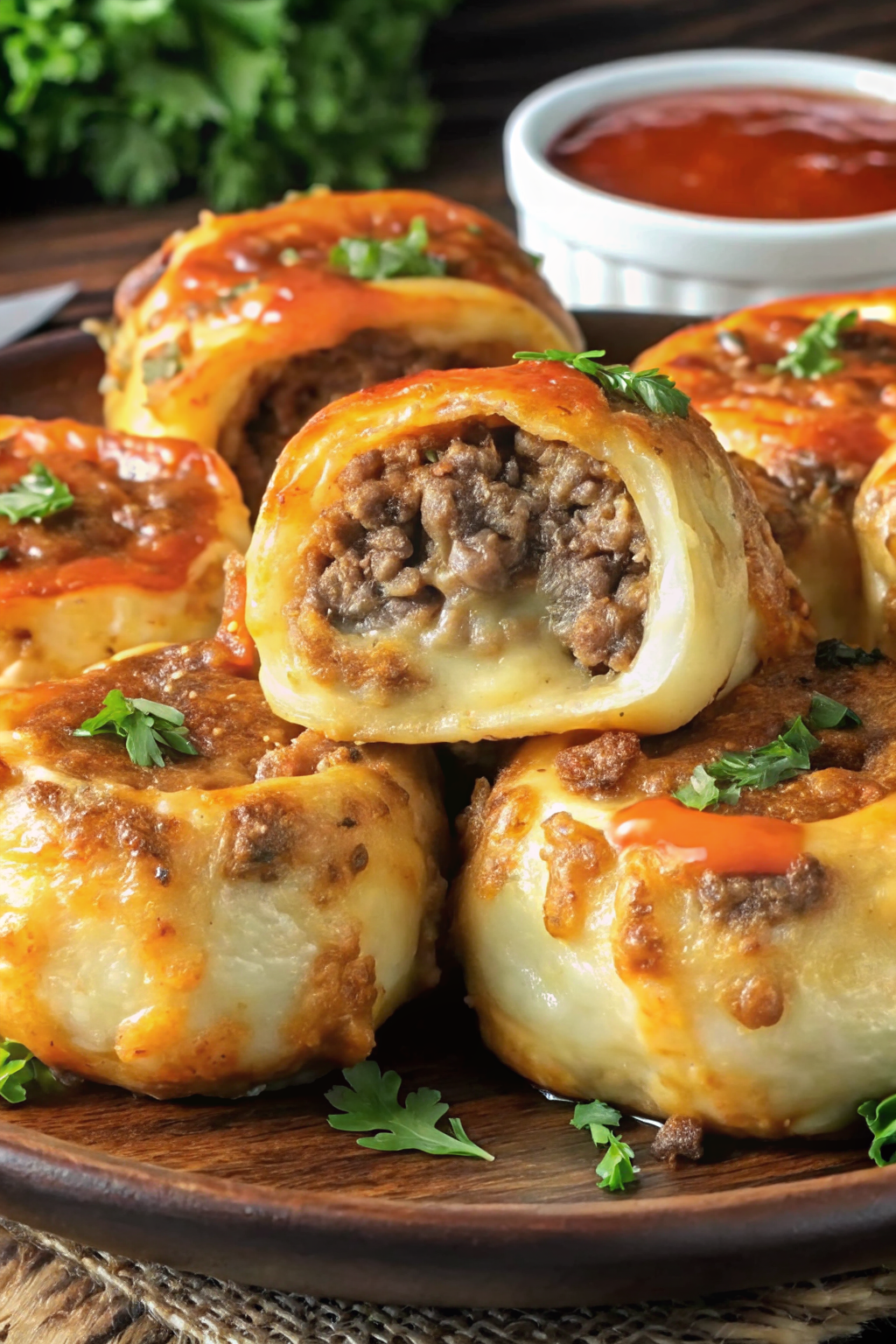
If you have guests who crave something warm and savory alongside these cold cuts, you might consider pairing your board with a sausage balls recipe. The contrast between the cold cheese and the warm, spicy sausage bites creates a fantastic texture experience.
The Meats: Fold It Like You Mean It
Charcuterie literally translates to “cooked flesh,” so don’t skimp on the meat. However, slapping flat slices of ham onto a board looks like you made a sandwich and forgot the bread. We need texture and height.
The Salami River
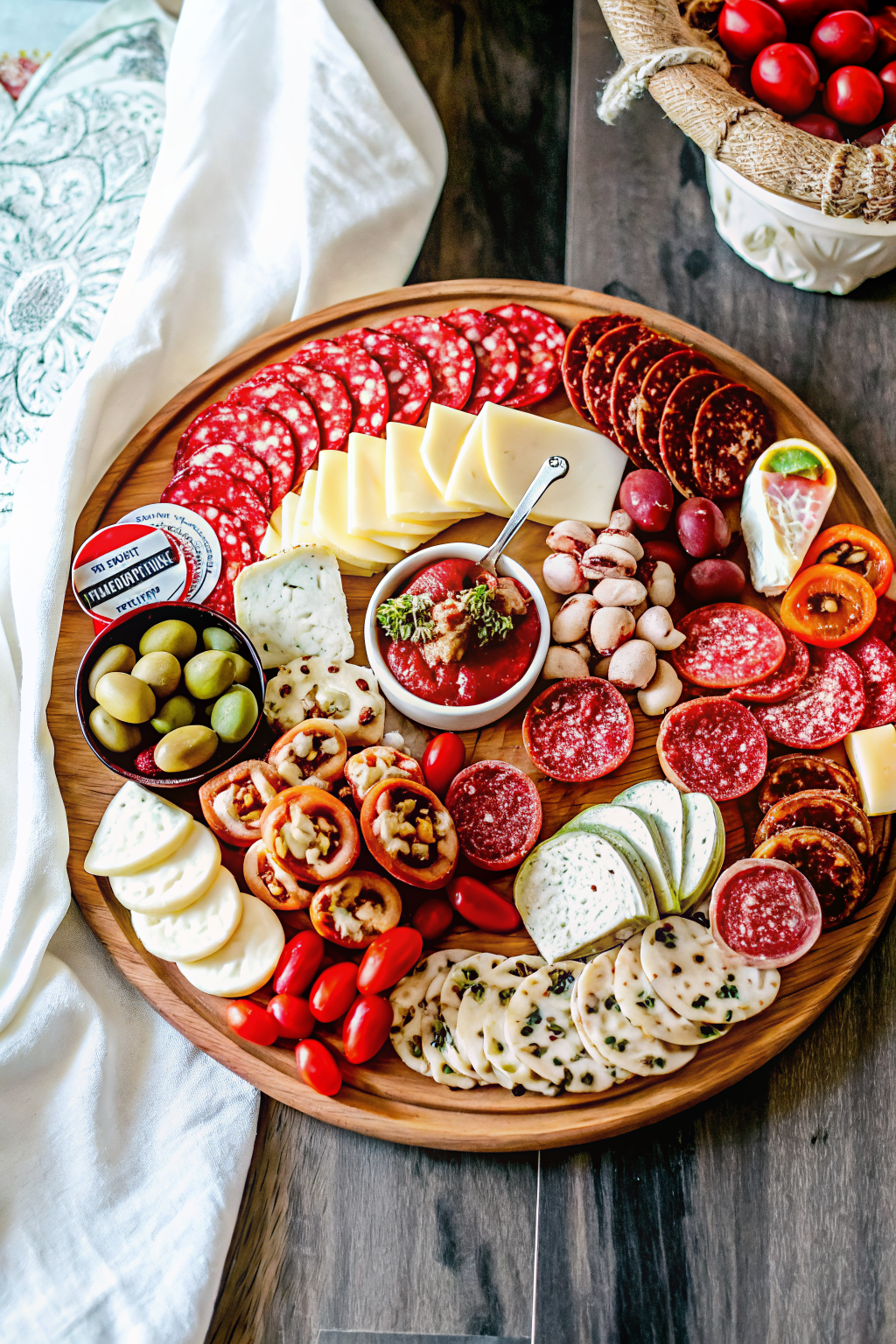
You have probably seen this on Instagram. Take your salami slices and fold them in half, then half again. Stack them tightly in a winding line across the board. This separates the slices so guests can grab just one, and it creates a visual guide across the platter.
Prosciutto Ribbons
Prosciutto is delicate, salty, and sticky. If you lay it flat, it tears when people try to pick it up. Instead, tear each slice in half lengthwise and drop it onto the board in a loose, fluffy pile. It should look airy, not matted down.
The “Salami Rose”
Okay, I have a love-hate relationship with the salami rose. It looks cool, but it feels a bit gimmicky. If you want to impress your mother-in-law, grab a wine glass. Fold slices over the rim of the glass, overlapping them until you have several layers. Flip the glass upside down onto the board and remove it. Voila, a meat flower. Just don’t blame me if someone struggles to deconstruct it.
The Vehicles: Bread and Crackers
You need a vessel to get the cheese from the board to your mouth. This category often gets overlooked, but stale crackers kill the vibe instantly.
Variety is key here.
- Sliced Baguette: Toast it lightly with a brush of olive oil.
- Water Crackers: These are neutral and let the cheese flavor shine.
- Seeded Crackers: These add a nutty crunch and look beautiful.
- Breadsticks: Stick these in a jar or glass for height.
Avoid flimsy crackers that snap the moment you try to spread cheese on them. There is nothing more tragic than fishing a broken cracker shard out of a wheel of Brie.
The Accoutrements: The Flavor Bridges
If you only serve meat, cheese, and bread, your mouth gets coated in fat and salt. You need acid and sugar to cut through that richness. This is where the magic happens.
The Briny Stuff
You need pickles. Cornichons (those tiny, tart French pickles) are the gold standard for a charcuterie board. They provide a massive crunch and an acid punch that resets your palate. Olives serve a similar purpose. I prefer Castelvetrano olives—they are bright green, buttery, and mild. If you use olives with pits, for the love of all that is holy, provide a small bowl for the discarded pits. Nobody wants to hold a pit in their hand while shaking hands with the host.
The Sweet Stuff
Cheese loves fruit. Fresh grapes are classic for a reason—they cleanse the palate. Slices of crisp apple or pear work wonders with cheddar. Dried apricots or figs add a chewy texture and concentrated sweetness.
The Dips and Spreads
- Honey: Drizzle this over the blue cheese or the Brie. Trust me.
- Fig Jam: This pairs beautifully with almost any cheese.
- Whole Grain Mustard: This is mandatory for the meats.
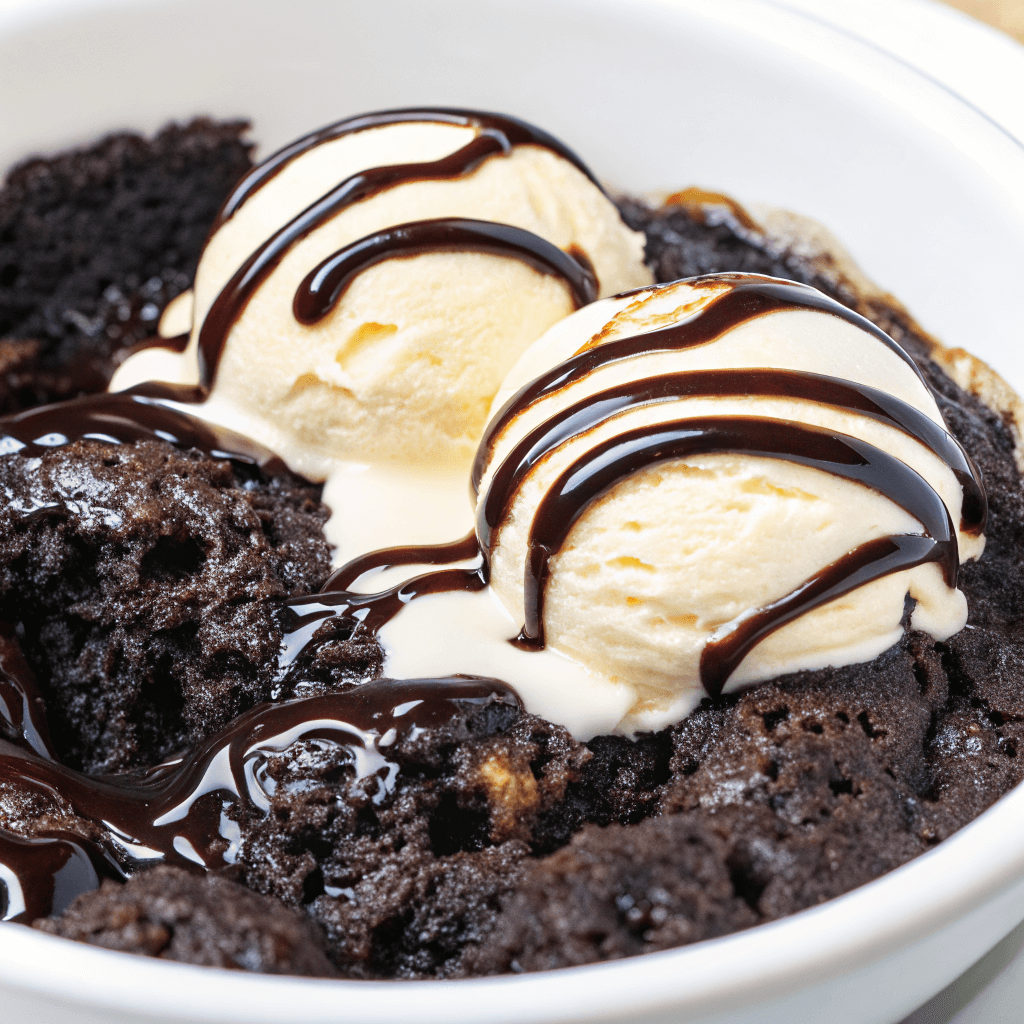
If you find yourself with a lot of leftover cream cheese or sweet jams after the party, you can easily pivot and use those ingredients to whip up a classic cheesecake recipe for dessert the next day. It’s all about maximizing your grocery haul!
The Assembly Strategy: No Naked Spots
Now that we have the components, how do we build it? Do not just throw things on there. We need a plan.
- Place the Anchors: Put your bowls (jam, olives, honey) and your big cheese wheels on the board first. Space them out.
- Add the Meats: Create your salami river or piles of prosciutto around the anchors.
- Add the Crackers: Fan them out or stack them in the corners.
- Fill the Gaps: This is the most important step. Fill every single empty space with fruit and nuts.
- Garnish: Tuck in fresh herbs like rosemary or thyme. It makes the board look alive and smell amazing.
Visual Tip: Do not put similar colors next to each other. Separate the red meat from the red grapes. Put the green olives next to the white cheese. Contrast makes the photo look better.
Budgeting: How to Not Go Broke
Let’s address the elephant in the room. Cheese is expensive. If you go to a high-end cheese shop, you can easily drop $100 on three wedges. You do not need to do that.
ALDI and Trader Joe’s are your best friends. I am serious. ALDI has an incredible selection of specialty cheeses for under $5 each. Their cracker assortment creates a high-end look for pennies on the dollar. You can build a board that feeds ten people for $40 if you shop smart.
Also, check your pantry. That half-empty jar of almonds? Use it. The last of the honey? Put it in a little dish. You don’t need to buy everything new.
Serving Temperature: The Critical Mistake
I mentioned this earlier, but I’m going to bold it because it matters. Take your cheese out of the fridge 30 to 60 minutes before serving.
Cold cheese mutes the flavor. The fats need to warm up to release the aroma and texture. The only exception is the meat; keep that chilled until the last practical moment so it doesn’t get greasy, though it also tastes better slightly warmed up. It’s a balancing act.
Pairing Drinks
You have the salty, savory snacks; now you need a drink.
- Wine: A dry Rosé or a Sauvignon Blanc works with almost everything. For red, a Pinot Noir is light enough not to overpower the milder cheeses.
- Beer: A crisp Pilsner or a Saison cuts through the fat perfectly.
- Cocktails: Keep it simple. A Gin and Tonic clears the palate.
Why This Beats Traditional Cooking
Think about the holidays. You usually spend hours sweating over a hot stove, stressing about timing. A charcuterie board eliminates that. You assemble it before the guests arrive, and you are done. You get to actually enjoy your party.
Compared to making a complex side dish like a green bean casserole with bacon, a board offers way more variety and requires zero oven space. Don’t get me wrong, I love a good casserole, but when the oven is full of turkey, the cold board saves the day.
Safety First
Since we are dealing with food that sits out, we need to talk safety. According to the USDA, you shouldn’t leave perishable food out for more than two hours at room temperature. If your party lasts all night, put out small portions and refill them from the fridge. Nobody wants food poisoning as a party favor.
Also, provide serving utensils. While we are all friends here, no one wants to see your cousin bare-handing the olives. A few small spoons and cheese knives go a long way.
Final Thoughts
The beauty of the charcuterie board lies in its flexibility. There are no strict rules. Do you hate blue cheese? Don’t buy it. Do you love spicy pickles? Load them up. It is a choose-your-own-adventure meal.
Next time you host, resist the urge to overcomplicate things. Go to the store, buy three cheeses, two meats, and some crunchy stuff. Arrange it on a board until you can’t see the wood anymore. Pour yourself a glass of wine and relax. You just won hosting.
Now, go raid your fridge and see what kind of masterpiece you can build right now. FYI, “fridge clean-out charcuterie” is a totally valid dinner option for one. I won’t tell if you won’t. 🙂
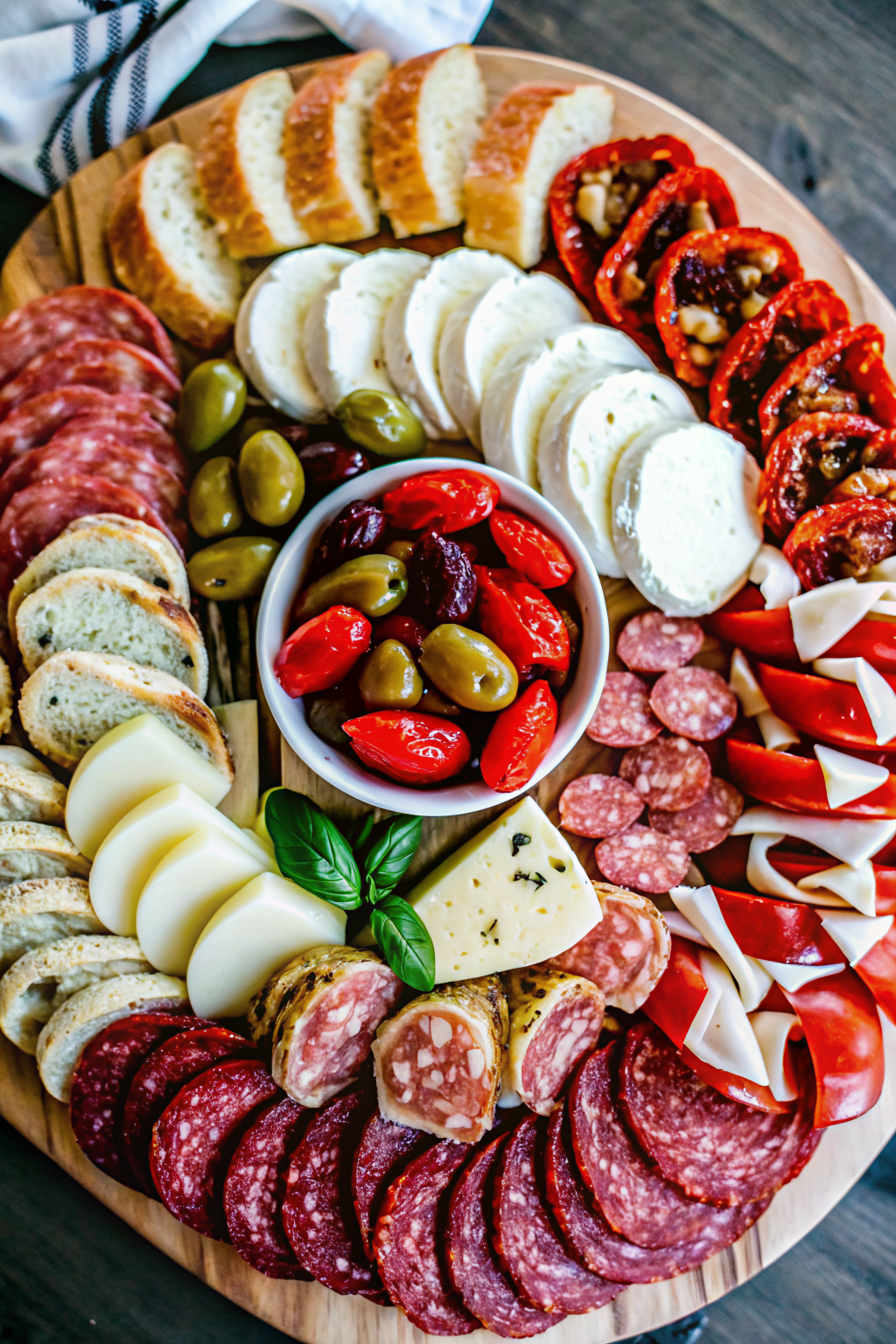
The Ultimate DIY Charcuterie Board
Author: Prep: 30 minutes Cook: Total: 30 minutesEquipment
- Large Wooden Cutting Board or Serving Platter
- Cheese Knives
- Small Ramekins or Bowls (for dips/olives)
- Honey Dipper
Ingredients
The Cheeses (The Rule of 3):
- 1 block Aged Sharp Cheddar crumbled into chunks
- 1 wedge Brie or Camembert room temperature
- 1 log Goat Cheese plain or herb-coated OR a wedge of Manchego
The Meats:
- 8 oz Salami Genoa or Soppressata, thin slices
- 4 oz Prosciutto thinly sliced
The Vehicles:
- 1 Baguette sliced and lightly toasted
- 1 box Water Crackers or Artisan Crackers
- 1 cup Breadsticks
The Savory & Salty:
- 1 cup Cornichons tiny pickles
- 1 cup Castelvetrano Olives or mixed pitted olives
- ½ cup Whole Almonds or Walnuts
The Sweet & Fresh:
- 1 bunch Green or Red Grapes
- 1 Apple or Pear sliced
- ½ cup Dried Apricots or Figs
- 3 tbsp Honey for drizzling
- 3 tbsp Fig Jam or Apricot Preserves
Garnish:
- Fresh Rosemary or Thyme sprigs
Instructions
- Prep the Board: Choose a large wooden board, slate platter, or even a baking sheet lined with parchment paper. Place your small ramekins (filled with honey, jam, and olives) on the board first to act as "anchors."
- Place the Cheese: Arrange your cheeses around the board. Leave the Brie in a wedge or wheel, but crumble the Cheddar and slice the Manchego or Goat cheese to make it easy for guests to grab. Tip: Take the cheese out of the fridge 30–60 minutes before serving for the best flavor!
- Add the Meats: Create a “salami river” by folding slices in quarters and stacking them in a winding line. For the prosciutto, tear pieces in half and pile them loosely (“fluff” them) so they are easy to pick up.
- Add the Crackers: Fan out your crackers and bread slices around the cheeses and meats. Try to keep them near the items they pair best with.
- Fill the Gaps: This is the secret to a professional-looking charcuterie board. Fill every empty naked spot with grapes, apple slices, dried apricots, and nuts. You want the board to look bountiful and overflowing.
- Garnish: Tuck small sprigs of fresh rosemary or thyme into any remaining crevices for a pop of green color.
- Serve: Add cheese knives and small spoons for the dips. Pour yourself a drink and enjoy—no cooking required!
Notes
- Temperature Matters: I can’t stress this enough—serve your cheese at room temperature. Cold cheese lacks flavor and texture.
- Budget Friendly: You don’t need to spend a fortune. Shops like ALDI or Trader Joe’s have excellent affordable cheeses and crackers.
- Make Ahead: You can assemble the meat and cheese on the board earlier in the day and keep it in the fridge (wrapped tightly). Just add the crackers and nuts right before serving so they don’t get soggy.
- Leftovers: Have extra cheese? Use it to make a creamy cheese sauce or a fancy grilled cheese sandwich the next day.
- Safety: Do not leave the board out for more than 2 hours at room temperature. If it’s a long party, put out smaller portions and refill as needed.
Nutrition