Let’s share a moment of collective trauma. We all remember sitting at the dinner table as kids, staring down a pile of limp, soggy, olive-green trees. They smelled like damp socks. They tasted like sadness. Your parents told you to eat them because they were “good for you,” but you knew deep down that nothing this mushy could possibly be good for anyone.
That wasn’t broccoli’s fault. That was the fault of boiling water.
Boiling vegetables is an act of culinary violence. It strips away flavor, destroys texture, and leaves you with a watery mess. But when you treat that vegetable with respect—when you introduce it to high heat, good olive oil, and salty cheese—it transforms. Parmesan roasted broccoli isn’t just a side dish; it’s the kind of food you find yourself eating straight off the baking sheet while burning your fingers.
If you think you hate broccoli, I challenge you to try this. We are going to take that humble vegetable and turn it into crispy, nutty, cheesy gold.
The Science of the Char
Why does roasting work when boiling fails? It comes down to water content. Broccoli is mostly water. When you boil it, you add more water. When you roast it at a high temperature, you evaporate that water.
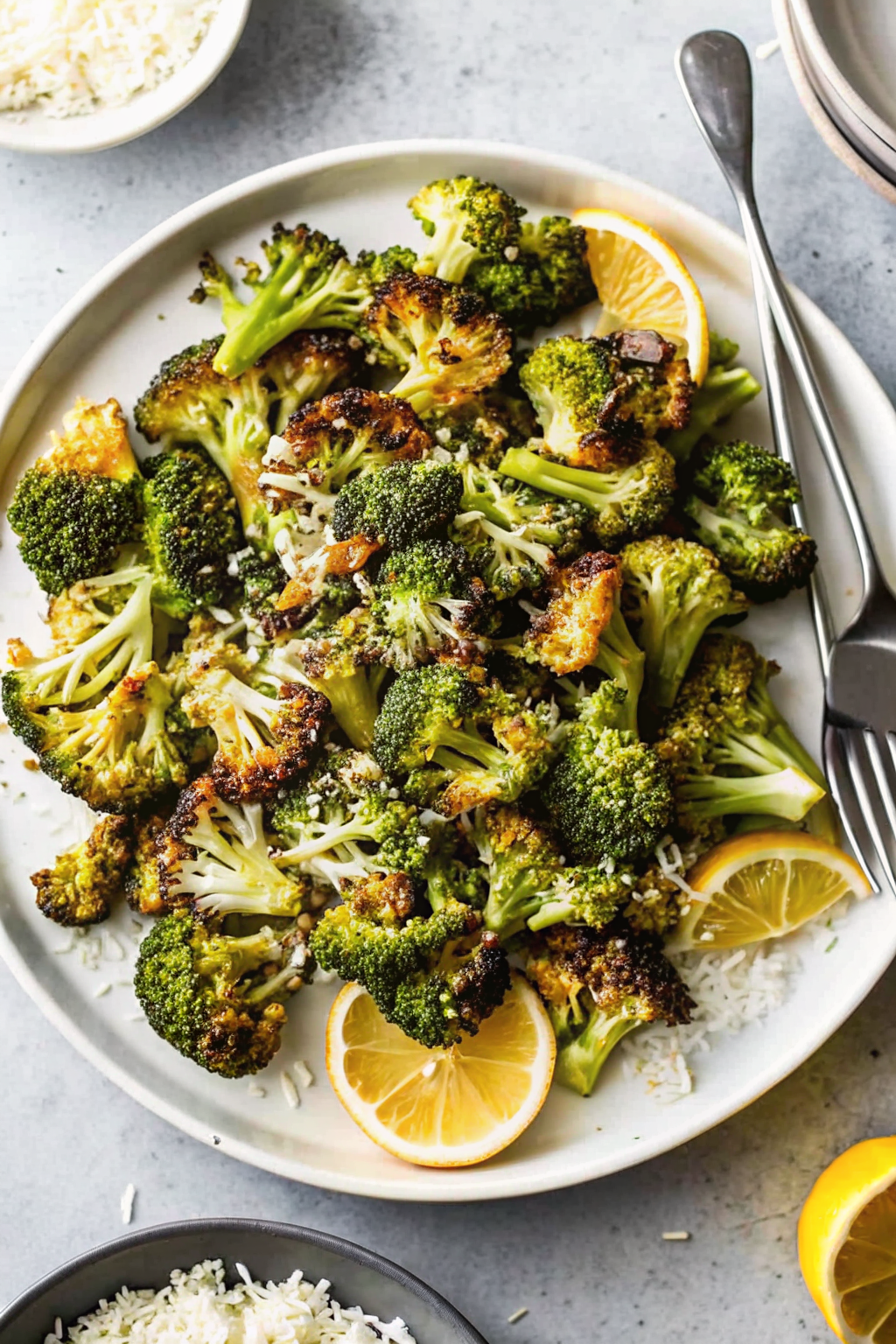
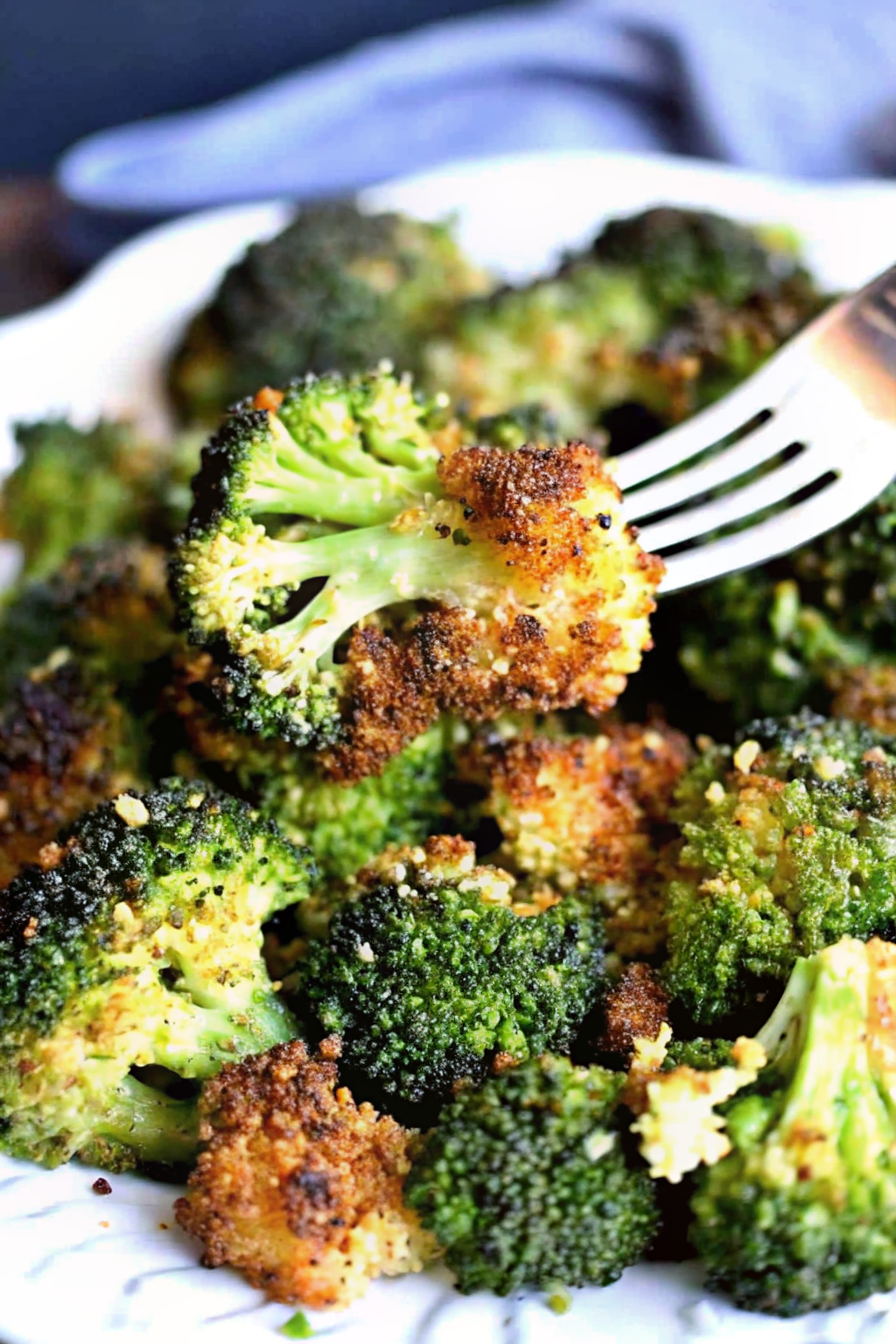
Once the moisture leaves, the magic happens. The natural sugars in the vegetable begin to caramelize. This is the Maillard reaction. The florets turn brown and crispy, developing a sweet, nutty flavor profile that boiling completely washes away.
Here is the rule: If it isn’t brown, it isn’t done.
We want char. We want those little crispy bits that look slightly burnt. That is where the flavor lives. If you pull your tray out of the oven and the broccoli is bright green and soft, put it back in. You aren’t done yet.
Selecting Your Weapon: The Broccoli
You need fresh broccoli for this. Do not use frozen. Frozen broccoli has its place (maybe in a casserole or soup), but it contains too much ice crystals for roasting. If you put frozen broccoli in the oven, it releases a puddle of water and steams itself. You will end up with the same soggy mess we are trying to avoid :/
Buying Tips:
- Look for tight, dark green florets. If they are yellowing or loose, the broccoli is old.
- Check the stalks. They should be firm, not rubbery.
- Buy more than you think you need. Broccoli shrinks significantly when you roast it.
Don’t Trash the Stalks
I see people cut off the florets and throw the thick stalks in the trash. Stop doing that! The stalk is actually the sweetest part of the vegetable. You just need to prep it right.
Use a vegetable peeler to remove the tough, woody outer layer of the stalk. Then, slice the tender inside into coins or sticks. They roast up beautifully and taste like mild kohlrabi.
The Cheese Debate: Fresh vs. The Green Can
We need to talk about Parmesan. There is a time and place for the powdery cheese in the green plastic shaker can. This is not that time.
That powder often contains anti-caking agents (like wood pulp cellulose) that prevent it from melting properly. At high heat, it tends to burn instantly rather than melting into a lacey crisp.
You need real Parmigiano-Reggiano.
Buy a wedge and grate it yourself. I prefer using a microplane for a fluffy texture that coats every crevice, or the small holes on a box grater for slightly larger bits. The real stuff has a salty, umami punch that elevates the dish from “cafeteria food” to “restaurant quality.”
The Prep: Dryness is Godliness
This is the most critical step in the entire process. You must dry your broccoli.
After you wash it, let it sit in a colander. Then, dump it onto a clean kitchen towel and pat it down. If you toss wet broccoli in oil, the oil slides right off. Worse, the water turns to steam in the oven, and you miss out on that crispy char.
How to cut the florets:
Size matters. You want bite-sized pieces, but you also want a flat side. Cut the florets so they have a flat, cut surface. When you place that flat side down on the hot metal sheet pan, it creates maximum contact for browning.
The Oil and Seasoning Strategy
You need a fat that can handle heat. Olive oil is the standard choice here. You don’t need the super expensive extra virgin stuff for roasting, but you want something that tastes good.
The Ratio:
Use about 2 tablespoons of oil for every pound of broccoli. You want the florets coated and glossy, but not swimming in a pool of grease.
The Seasoning Blend:
- Kosher Salt: It adheres better than table salt.
- Black Pepper: Freshly cracked is best.
- Garlic: Use garlic powder, not fresh garlic. Fresh minced garlic burns rapidly at 400°F and turns bitter. Garlic powder infuses the oil without scorching.
- Lemon Zest: Grate some lemon zest over the raw broccoli before roasting. It brightens the flavor and cuts through the heaviness of the cheese.
The Cooking Process: High and Fast
Preheat your oven to 425°F (220°C). Some people even go up to 450°F. We want intense heat.
- Spread it out. Dump your seasoned broccoli onto a large baking sheet.
- Give them space. This is crucial. If the florets are touching, they trap steam. You want air to circulate around each piece. If you have too much broccoli, use two pans.
- Roast. Put them in the oven for 15 minutes.
- The Flip. Take the pan out and flip the pieces over. You should see deep browning on the bottom.
- The Cheese Shower. This is the moment of truth. Sprinkle your grated Parmesan generously over the broccoli.
- The Finish. Put the pan back in the oven for another 5–7 minutes. The cheese will melt and create a crispy crust (called a “frico”) on the pan.
Flavor Variations to Keep it Interesting
Once you master the basic Parmesan roasted broccoli, you can start experimenting.
The Spicy Kick
Add red pepper flakes to the oil mixture. The heat pairs perfectly with the salty cheese and the bitterness of the broccoli.
The Nutty Crunch
Toss in some pine nuts or slivered almonds during the last 5 minutes of roasting. The nuts toast in the broccoli oil and add a fantastic texture contrast.
The Balsamic Glaze
Drizzle a thick balsamic glaze over the finished dish right before serving. The acid and sweetness balance out the savory Parmesan.
Pairing: What Goes with Broccoli?
Honestly, I sometimes eat a bowl of this for lunch and call it a day. But it plays well with others.
It is the perfect sidekick for heavy proteins. If you are making a rich roast goose for a holiday meal, the acidity and crunch of this broccoli cut through the richness of the goose meat.
It also works great alongside casual finger foods. Serve it next to some honey-glazed smoked sausages. The sweetness of the sausage glaze contrasts beautifully with the salty, savory broccoli.
And if you are doing a full “roasted sides” theme, it pairs naturally with garlic roasted potatoes. You can even roast them at the same temperature, though the potatoes will take longer to cook.
Troubleshooting Common Disasters
“My broccoli is mushy.”
You overcrowded the pan. Next time, use two baking sheets. Or, your oven wasn’t hot enough. Check your temperature.
“The cheese burnt.”
You added the cheese too early. Parmesan is delicate. Only add it for the final few minutes of cooking. If you want the cheese fully incorporated, toss it after roasting, but you miss out on the crispy crust.
“It tastes bitter.”
Burnt garlic is the likely culprit. Did you use fresh garlic? Switch to powder. Also, really old broccoli can taste bitter. Make sure your produce is fresh.
Why This is “Healthyish” Comfort Food
We often think of comfort food as heavy carbs or deep-fried meats. But Parmesan roasted broccoli scratches that same itch. You get the salt, the fat, and the crunch.
Broccoli is a nutritional powerhouse, loaded with Vitamin C, Vitamin K, and fiber. Yes, we are covering it in cheese and oil. But you are still eating a cruciferous vegetable. IMO, if adding cheese is the only way you will eat greens, then pile on the cheese. It’s better than eating no greens at all.
For a deeper look into the best techniques for roasting vegetables to maximize nutrition and flavor, check out this guide from The Kitchn. They break down the smoke points of oils and timing for different veggies perfectly.
The Leftover Situation
Roasted vegetables are best eaten immediately. The crunch fades as they cool. However, leftovers are still edible.
Reheating Tips:
- Do not microwave. Just don’t. It will return to the smelly, soggy state of boiled broccoli.
- Air Fryer: This is the best method. 3 minutes at 375°F brings the crispiness back.
- Skillet: Toss the leftovers in a hot, dry skillet for a few minutes to re-crisp the edges.
You can also repurpose leftovers. Chop them up and throw them into an omelet, or toss them into pasta. The roasted flavor adds depth to any dish.
Final Thoughts
We need to stop treating broccoli like a punishment. It deserves to be celebrated. It wants to be crispy. It wants to be salty.
When you pull that tray out of the oven, and the cheese is bubbling, and the tips of the florets are dark brown, you realize that you possess the power to change your relationship with vegetables.
So, grab a head of broccoli. Grate some real cheese. Crank up the heat. You are about to make a vegetable dish that people will actually ask for seconds of. FYI, make a double batch, because the “chef’s tax” (eating pieces right off the pan) will significantly deplete your supply before it hits the table.
Now, go preheat that oven!
Crispy Parmesan Roasted Broccoli
Author: Prep: 10 minutes Cook: 25 minutes Total: 35 minutesIngredients
The Veggie
- 2 large Heads of broccoli cut into florets, stems peeled and sliced
- 2 tbsp Olive oil or avocado oil
The Seasoning
- 1 tsp Garlic powder Do not use fresh minced garlic!
- 1/2 tsp Kosher salt
- 1/2 tsp Freshly cracked black pepper
- 1 tsp Lemon zest optional, for brightness
The Cheesy Finish
- 1/3 cup Parmigiano-Reggiano cheese freshly grated
- Red pepper flakes optional, for garnish
- Lemon wedges for serving
Instructions
- Heat It Up: Preheat your oven to 425°F (220°C). You want a scorching hot oven to ensure crispiness.
- Prep the Greens: Wash your broccoli and cut it into bite-sized florets. Crucial Step: Dry the broccoli thoroughly with a clean kitchen towel. If it’s wet, it will steam instead of roast.
- Season: Place the dry florets on a large baking sheet. Drizzle with olive oil and sprinkle with kosher salt, pepper, garlic powder, and lemon zest. Toss with your hands until every piece is glossy and coated.
- Space It Out: Arrange the broccoli in a single layer. Make sure the pieces aren’t touching each other. If the pan is crowded, use a second baking sheet.
- The First Roast: Roast for 15 minutes. The bottoms should be starting to turn a nice dark brown.
- The Flip: Remove the pan and flip the florets over to ensure even cooking.
- The Cheese Shower: Sprinkle the freshly grated Parmesan cheese generously over the broccoli.
- The Finish: Return the pan to the oven for another 5 to 7 minutes, or until the cheese is melted and crispy and the broccoli is tender-crisp.
- Serve: Squeeze a little fresh lemon juice over the top if desired and serve immediately while hot!
Notes
- Why Garlic Powder? Fresh garlic burns at high temperatures and turns bitter. Garlic powder infuses the oil with flavor without scorching.
- Don’t Toss the Stalks: Peel the tough outer layer of the broccoli stems and slice the insides into coins. They roast up sweet and tender!
- The “Green Can” Rule: Avoid the shelf-stable powdered cheese. Buy a wedge of real Parmesan and grate it yourself for the best melting texture.
- Serving Suggestion: This pairs perfectly with heavy mains like roast meats, or sits nicely alongside other appetizers.
Nutrition