Let’s be honest. Quinoa has a bit of a reputation problem. For years, people forced themselves to eat it because it was a “superfood,” not because they actually enjoyed it. It often ends up tasting bitter, mushy, or suspiciously like wet cardboard. If that has been your experience, I don’t blame you for scrolling past this.
But here is the truth: quinoa salad is actually incredible when you treat the grain with respect. It’s nutty, fluffy, and holds up to dressing better than pasta ever could. It doesn’t leave you needing a nap after lunch, either.
I used to hate the stuff. I followed the package instructions religiously, ended up with a clumpy mess, and wondered why everyone pretended to like it. Then I learned the rules. Today, I’m sharing the specific method that changed my mind. We are going to make a salad you will actually crave, not just tolerate for the sake of your health.
The Quinoa Conundrum: Why It Usually Fails
Most people mess up quinoa before they even turn on the stove. If your quinoa tastes like dirt, it’s not your fault; it’s biology.
The Rinse Rule
Quinoa seeds have a natural coating called saponin. Plants produce this to keep bugs away, and it tastes soapy and bitter to humans. You must rinse your quinoa.
Do not just splash water on it. Put the dry grain in a fine-mesh sieve and run cold water over it for at least a minute. Rub the grains together with your hands while the water runs. You will see bubbles form—that is the bitterness washing away. If you skip this, your salad is doomed from the start :/ .
The Water Ratio Lie
Here is another secret: the instructions on the bag are lying to you. Most brands tell you to use 2 cups of water for every 1 cup of quinoa. That creates a soggy, waterlogged porridge.
Use a 1:1.5 ratio. For every one cup of quinoa, use one and a half cups of water (or broth). This ensures the grains pop open and get fluffy but stay distinct. We want a salad, not oatmeal.
Choosing Your Flavor Profile
Quinoa is a blank canvas. It absorbs whatever flavors you throw at it. For this guide, we are focusing on a Mediterranean-style profile because it offers the perfect balance of fresh crunch and savory depth.
Texture is everything here. Quinoa is soft, so you need crunch to keep your mouth interested. If you just add soft avocado and soft tomatoes, the eating experience gets boring fast.
The Crunchy Essentials
- English Cucumbers: I prefer these because the skin is thin and you don’t have to de-seed them. They add a massive hydration hit.
- Red Bell Pepper: It adds natural sweetness and vibrant color.
- Red Onion: Slice this super thin. If raw onion is too aggressive for you, soak the slices in ice water for ten minutes to tame the bite.
The Dressing: The Secret Weapon
A dry salad is a sad salad. Since quinoa is so absorbent, you need a dressing that is punchy and acidic to wake it up.
I swear by a lemon-garlic vinaigrette. It’s bright, zesty, and cuts through the earthiness of the grain.
Emulsification Station
You don’t need a blender. Grab a mason jar. Combine olive oil, fresh lemon juice (bottled juice is forbidden here), crushed garlic, salt, and dried oregano. Shake it until it looks creamy.
Pro Tip: Make more dressing than you think you need. Quinoa drinks it up. You might mix the salad and think it looks perfect, then come back an hour later and find it dry. Keep extra dressing on hand to refresh it right before serving.
Step-by-Step: Cooking the Perfect Fluff
Let’s walk through the actual cooking process. This technique guarantees fluffy, separate grains every single time.
Step 1: Toast It
After rinsing and draining your quinoa thoroughly, dump it into your dry pot over medium heat. Toast the damp grains for a minute or two. You will hear them start to sizzle and pop, and it will smell nutty. This step deepens the flavor profile significantly.
Step 2: The Simmer
Add your water (remember the 1:1.5 ratio!) and a generous pinch of salt. Bring it to a rolling boil.
Once it boils, turn the heat down to the lowest possible setting. Cover it with a tight-fitting lid. Let it simmer gently for 15 minutes. Do not lift the lid to peek. Trust the process.
Step 3: The Steam
Remove the pot from the heat. Leave the lid on. Let it sit for another 5–10 minutes. This allows the remaining steam to finish cooking the grains gently without making them mushy.
After the rest period, remove the lid and fluff it with a fork. You should see little white “tails” popping out of the grains. That means they are perfectly cooked.
Cooling Down
You cannot toss fresh veggies into boiling hot quinoa. They will wilt and turn gross. You have two options here.
- The Patience Method: Spread the quinoa out on a baking sheet. It increases the surface area and cools it down in about 20 minutes.
- The Fridge Method: Put the pot in the fridge. Just know this takes longer.
I usually cook the quinoa first, spread it on a sheet pan, and then chop my veggies while it cools. By the time I’m done chopping, the grain is ready.
Assembly: Bringing It All Together
Now comes the fun part. Grab your biggest mixing bowl. Toss in your cooled quinoa, your chopped cucumbers, peppers, and onions.
The Mix-Ins
This is where you add the personality.
- Feta Cheese: Essential. The salty, creamy crumbles provide a necessary contrast to the fresh veggies.
- Kalamata Olives: If you like brine, toss these in.
- Fresh Herbs: Parsley is traditional, but I love fresh mint or dill. Use way more herbs than you think—like a whole cup.
Pour the dressing over everything and toss gently. Taste it. Does it need more salt? More lemon? This is your moment to adjust.
Making It a Meal
While this salad is great on its own, it really shines as a side dish or a base for protein.
If you are looking for a complete dinner, serve this alongside a hearty protein. It pairs beautifully with something rich to balance the acidity. For example, the bright lemon notes here would cut through the richness of Beef Stroganoff perfectly if you wanted a hot-and-cold contrast meal.
Alternatively, you can turn this into a power bowl by adding grilled chicken or chickpeas. It’s versatile enough to handle whatever leftovers you have in the fridge.
Why This Works for Meal Prep
One of the biggest wins for quinoa salad is its durability. Unlike lettuce salads that turn into slime after 24 hours, this salad actually gets better the next day. The grains have time to marinate in the dressing.
You can make a giant batch on Sunday and eat it for lunch until Wednesday. It’s perfect for office lunches because it doesn’t need to be reheated. You can just pull it out of the fridge and dig in.
If you are into prepping soups for the week, like a big batch of French Onion Soup, having this cold salad ready to go offers a nice texture variety for your weekly menu. Soup and salad is a classic combo for a reason!
Nutrition: The Superfood Hype is Real
I know we rolled our eyes at the “superfood” label earlier, but quinoa actually backs it up. It is one of the few plant foods that is a complete protein. That means it contains all nine essential amino acids your body needs.
For reliable info on the specific health benefits, check out this breakdown of quinoa nutrition facts to see why your body loves this stuff.
It is also high in fiber, magnesium, and iron. So, even though it tastes like a carb, it fuels you like a protein. You won’t get that dreaded mid-afternoon energy crash.
Variations to Try
Once you master the base recipe, you can get creative.
- Southwest Style: Swap the cucumber for corn and black beans. Use lime juice instead of lemon in the dressing and add cilantro. This version is fantastic if you have leftover White Chicken Chili; you can serve the salad as a fresh side to the spicy stew.
- Autumn Vibes: Use roasted sweet potatoes, dried cranberries, and pumpkin seeds. Swap the lemon dressing for an apple cider vinegar vinaigrette.
- Green Goddess: Blend avocado and basil into the dressing for a creamy, green version.
Common Mistakes to Avoid
Let’s recap the things that will ruin your salad so you can avoid them.
- Overcooking: If the quinoa is mushy, start over. You can’t save it. It’s better to slightly undercook it than overcook it.
- Undersalting: Grains soak up salt. If it tastes bland, add salt. Then add a little more.
- Hot Veggies: I’ll say it again—let the grain cool completely before adding the crisp vegetables. Warm cucumbers are disturbing.
Storage and Shelf Life
Store your masterpiece in an airtight container in the refrigerator. It will stay fresh for about 3 to 4 days.
FYI: The avocado (if you added it) will turn brown. If you plan to eat this over several days, add the avocado fresh right before you eat each serving. The rest of the ingredients hold up just fine.
Final Thoughts
Cooking doesn’t have to be complicated to be good. Quinoa salad proves that with a few simple techniques—rinsing the grain, watching the water ratio, and nailing the dressing—you can turn a humble pantry staple into a meal you actually look forward to eating.
It’s fresh, it’s fast, and it makes you feel like a healthy, responsible adult who has their life together. Even if you eat it while wearing pajamas.
So, go rinse that quinoa (seriously, don’t skip the rinse) and get chopping. Your lunch game is about to level up. IMO, you’ll never go back to boring sandwiches again. Happy cooking!
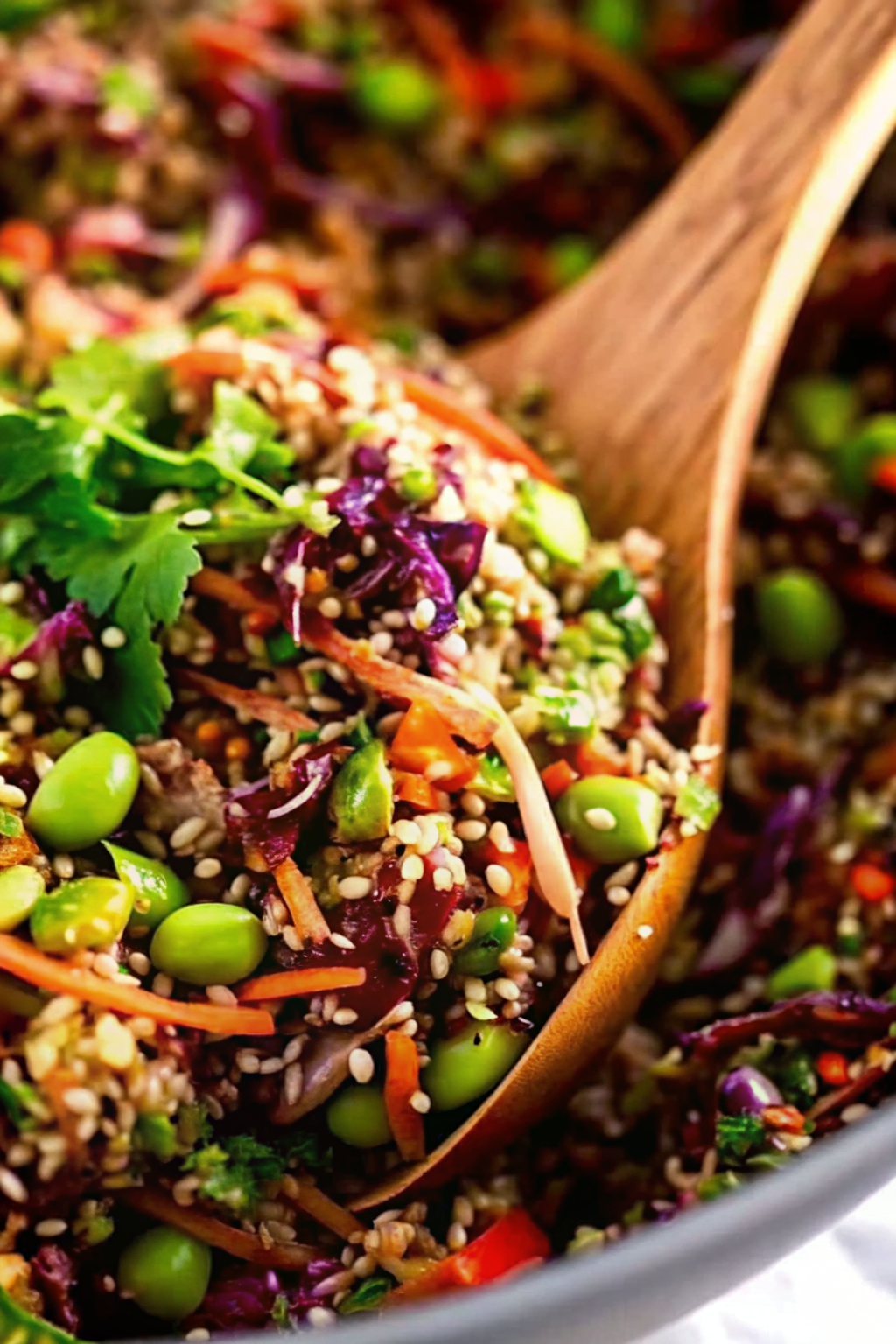
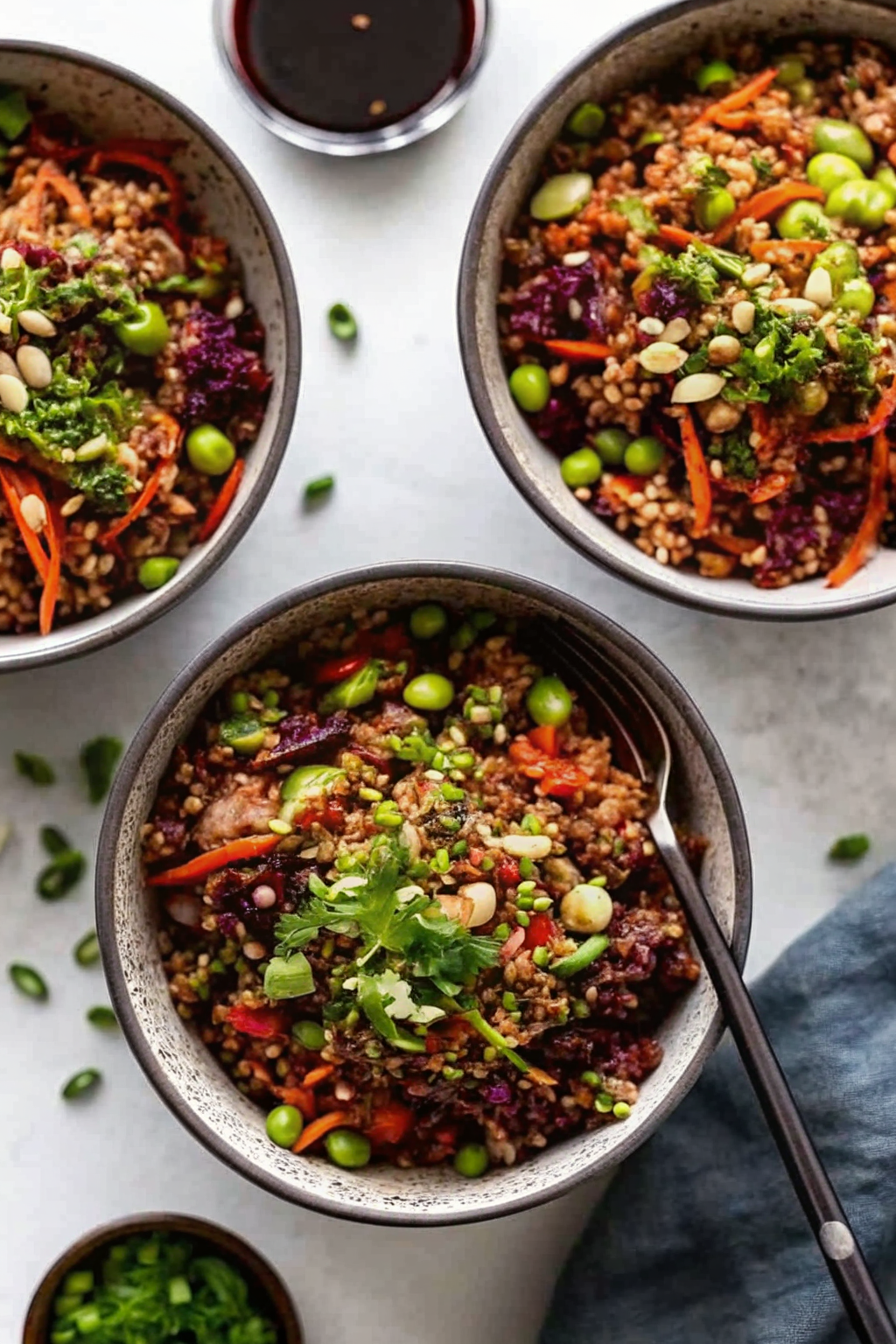
Mediterranean Quinoa Salad
Author: Prep: 15 minutes Cook: 15 minutes Total: 50 minutesEquipment
- Fine Mesh Sieve (Essential for rinsing!)
- Medium Saucepan with tight-fitting lid
- Sharp chef’s knife
- Large mixing bowl
- Mason Jar (for dressing)
Ingredients
The Quinoa Base
- 1 cup uncooked quinoa white or tricolor
- 1 1/2 cups water or vegetable broth for extra flavor
- 1/2 tsp kosher salt
The Fresh Mix-Ins
- 1 large English cucumber diced (skin on is fine)
- 1 red bell pepper diced
- 1/4 cup red onion finely sliced (soak in water to tame the bite)
- 1/2 cup crumbled feta cheese
- 1/3 cup Kalamata olives pitted and sliced (optional)
- 1/2 cup fresh parsley or mint chopped
The Lemon Dressing
- 1/4 cup extra virgin olive oil
- 3 tbsp fresh lemon juice about 1 large lemon
- 1 clove garlic minced or pressed
- 1 tsp dried oregano
- Salt and black pepper to taste
Instructions
- Rinse the Grains: Place the dry quinoa in a fine-mesh sieve. Rinse under cold running water for at least one minute, rubbing the grains with your fingers. This removes the bitter saponin coating—don't skip this!
- Toast for Flavor: Add the drained (but damp) quinoa to a dry saucepan over medium heat. Toast for 2 minutes until you hear little pops and it smells nutty.
- Simmer: Add the water (or broth) and salt. Bring to a rolling boil. Once boiling, reduce the heat to the lowest setting, cover with a tight lid, and simmer gently for 15 minutes.
- The Steam Step: Remove the pot from the heat but keep the lid on. Let it sit and steam for 5–10 minutes. This ensures fluffy, separate grains.
- Cool Down: Fluff the quinoa with a fork. Spread it out on a baking sheet to cool completely (about 20 minutes). If you mix veggies into hot quinoa, they will get soggy.
- Make the Dressing: While the grains cool, combine the olive oil, lemon juice, garlic, oregano, salt, and pepper in a mason jar. Screw the lid on tight and shake vigorously until emulsified and creamy.
- Assemble: In a large bowl, combine the cooled quinoa, cucumber, red pepper, red onion, feta, olives, and fresh herbs.
- Toss: Pour the dressing over the salad and toss gently to coat. Taste and add more salt or lemon if needed. Serve immediately or store in the fridge for later
Notes
- Cooling is Crucial: Do not skip the cooling step! Adding crisp cucumbers to hot grains ruins the texture.
- Make Ahead: This quinoa salad is durable. It keeps well in the fridge for 3–4 days and the flavors actually meld and improve after 24 hours.
- Protein Boost: To make this a heartier main dish, stir in a can of drained chickpeas or top with grilled chicken.
- Onion Tip: If raw onion gives you heartburn or tastes too strong, soak the sliced onions in a bowl of ice water for 10 minutes before adding them to the salad. It keeps the crunch but removes the sting
Nutrition