Let’s be honest for a second. Is there anything sadder than a dry roast beef sandwich? You know the kind I’m talking about. You take a bite, and you have to chew for three minutes just to swallow it. It’s like eating a leather belt seasoned with disappointment. But when you get it right? When you pull a tender, rosy-pink roast out of the oven and pair it with a salty, savory pool of liquid gold? That is a spiritual experience.
We need to talk about Roast Beef with Au Jus. This isn’t just “dinner.” This is the heavyweight champion of weekend meals. It creates the best leftovers known to mankind (hello, French Dips).
I used to think making deli-style roast beef at home required a meat slicer and a degree in culinary arts. I was wrong. You just need a decent piece of meat, a meat thermometer, and the patience to let it rest. If you can turn on an oven, you can master this. Let’s fix your Sunday dinner game.
Choosing the Right Cut of Beef
You walk into the grocery store, and the meat aisle looks like a confusing wall of red. Which one do you buy? If you grab a Chuck Roast, you better plan on stewing it for five hours. If you grab a Filet Mignon, you just spent your mortgage payment on a sandwich.
For the perfect roast beef, you want a balance between tenderness and flavor.
Top Round Roast
This is the classic choice for roast beef. It’s lean, flavorful, and relatively affordable. But be warned: because it is lean, it dries out fast. If you overcook a Top Round, you basically made jerky. IMO, this is the best bang for your buck if you watch your temperature closely.
Top Sirloin Roast
If you feel like spending a little more cash, go for the Sirloin. It has better marbling than the round, which means more fat. Fat equals flavor and moisture. A sirloin roast gives you that steak-house vibe without the prime rib price tag.
Eye of Round
This cut looks beautiful. It’s perfectly cylindrical and easy to slice. However, it is tough. It works barely—and I mean barely—if you slice it paper-thin. But for my money, I stick to the Top Round or Sirloin. Life is too short for tough meat :/
The Seasoning Strategy
Do not be shy with the salt. I repeat: Do not be shy with the salt.
You have a large, thick piece of meat. The seasoning only sits on the outside surface. If you sprinkle a tiny bit of salt like you’re seasoning a fried egg, the inside will taste bland.
I like to make a wet rub. I mix olive oil, plenty of kosher salt, cracked black pepper, fresh rosemary, and enough minced garlic to scare away a vampire.
Smear this paste all over the beef. Get it in every crevice. If you have time, let the roast sit in the fridge uncovered overnight. This dries out the surface, which helps you get a better crust later.
The Cooking Method: Blast and Coast
There are two schools of thought here. Some people sear the meat in a pan first. I hate doing that because grease splatters everywhere, and I hate cleaning the stove.
Instead, I use the oven to do the work.
- The Blast: Preheat your oven to 450°F (230°C). Put the roast in a roasting pan (use a rack if you have one). Roast it for 15-20 minutes. You want the outside to get sizzling brown and crusty.
- The Coast: Turn the oven down to 325°F (165°C). Do not open the door! Just let the temperature drop naturally. Continue cooking until the internal temperature hits your target.
Temperature is Everything
Throw away the “minutes per pound” charts. Cows are different shapes. Ovens cycle differently. Use a digital meat thermometer. It is the only way to guarantee success.
- Rare: Pull it at 120°F.
- Medium-Rare: Pull it at 125°F – 130°F.
- Medium: Pull it at 135°F.
- Well Done: Please don’t do this. But if you must, 150°F+.
Remember, the temperature rises about 5-10 degrees after you take it out of the oven. This is called “carryover cooking.” If you pull it out at 135°F hoping for medium-rare, you will end up with medium-well gray meat.
The Magic of Au Jus
Technically, “Au Jus” is French for “with juice.” So saying “Roast Beef with Au Jus” is like saying “Roast Beef with with juice.” But we all say it, so let’s move on.
The Au Jus makes this dish. It transforms a good sandwich into a great one. You dip the bread, it soaks up the savory broth, and suddenly everything is right in the world.
Utilizing the Drippings
After you remove the beef from the pan, look at the bottom. See those brown bits stuck to the metal? That is called fond. That is concentrated flavor.
Place your roasting pan directly on the stove burner (if it’s metal). Turn the heat to medium. Pour in a cup of red wine or beef broth. Scrape up those brown bits with a wooden spoon. This releases the flavor into the liquid.
Beefing It Up
Unless you cooked a massive fatty roast, you might not have enough drippings for a crowd. You need to cheat a little. Add beef consommé or a high-quality beef stock to the pan.
I also add a splash of Worcestershire sauce and a sprig of fresh thyme. Simmer it for 10 minutes to marry the flavors. If it tastes weak, let it boil down to concentrate. If it tastes too salty, add a splash of water. You control the destiny of your sauce.
The Resting Period (Do Not Skip This)
I know you are hungry. The kitchen smells amazing. You want to cut into that beef immediately. Stop. Put the knife down.
If you cut into a hot roast, the juices inside are still moving around like crazy. If you slice it now, all that liquid runs out onto the cutting board. Your meat becomes dry, and your board becomes a puddle.
Tent the roast loosely with foil and let it rest for at least 20 to 30 minutes. This allows the fibers to relax and reabsorb the juices. A rested roast stays juicy when you slice it.
How to Slice Like a Pro
You don’t need an industrial meat slicer, though I admit I’ve looked at them on Amazon late at night. You just need a very sharp chef’s knife or a serrated bread knife.
Slice against the grain. Look at the meat. You will see lines of muscle fibers running in one direction. You want to cut perpendicular to those lines. This shortens the fibers and makes every bite tender.
Aim for thin slices. Thick slabs of roast beef can be chewy. Thin ribbons of beef pile up beautifully on a bun and create a better texture.
Serving Suggestions
Now comes the fun part. How do you eat this masterpiece?
The Classic French Dip
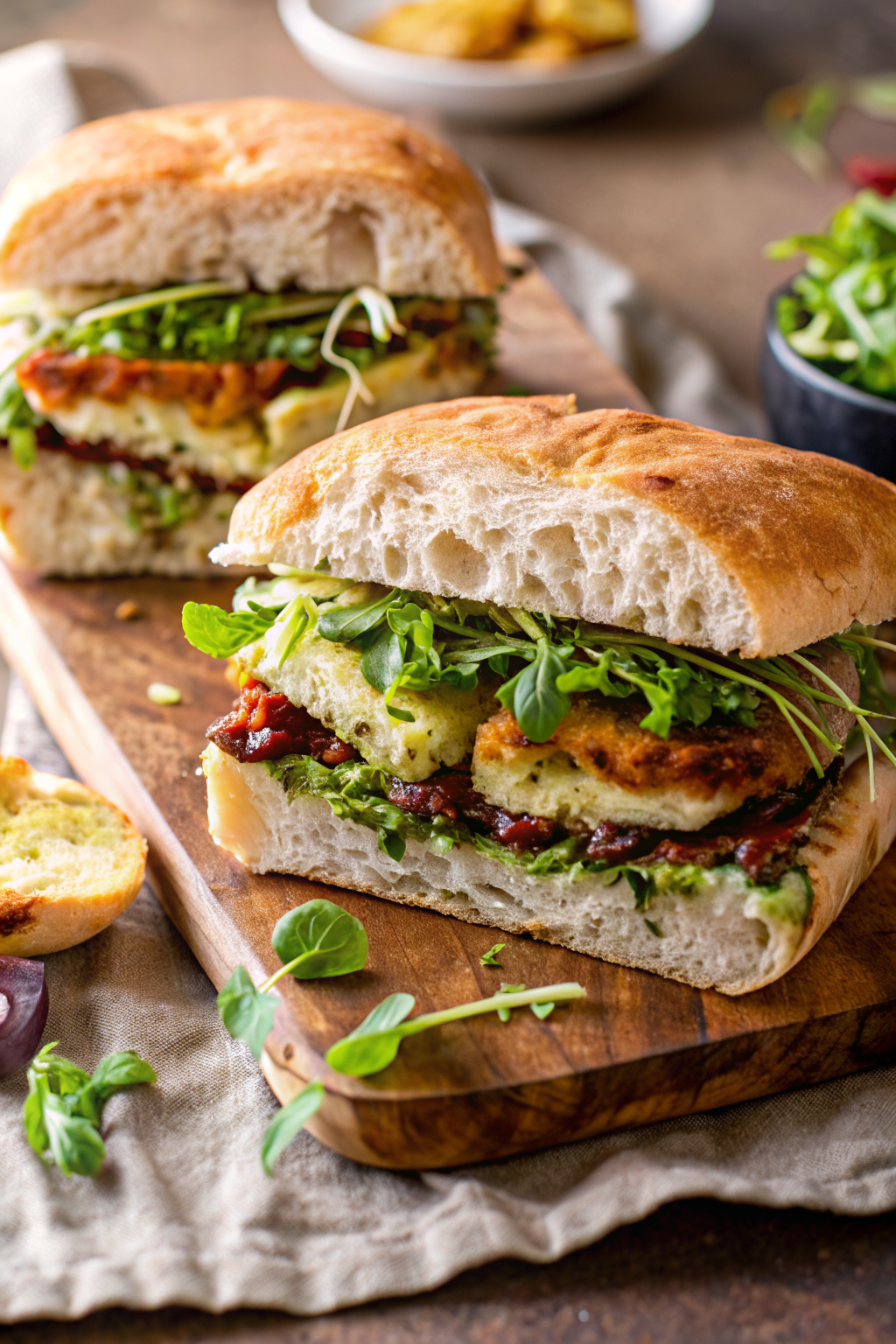
This is my go-to. Get some crusty baguette or hoagie rolls. You need bread with some structural integrity to handle the dip.
- Toast the buns with garlic butter.
- Pile on the warm beef.
- Top with melted Provolone or Swiss cheese.
- Serve with a bowl of hot Au Jus on the side.
If you really want to elevate the meal, bake some crusty french bread from scratch. The smell of fresh bread mixing with the roasting meat creates an atmosphere your guests won’t forget.
The Sunday Dinner Plate
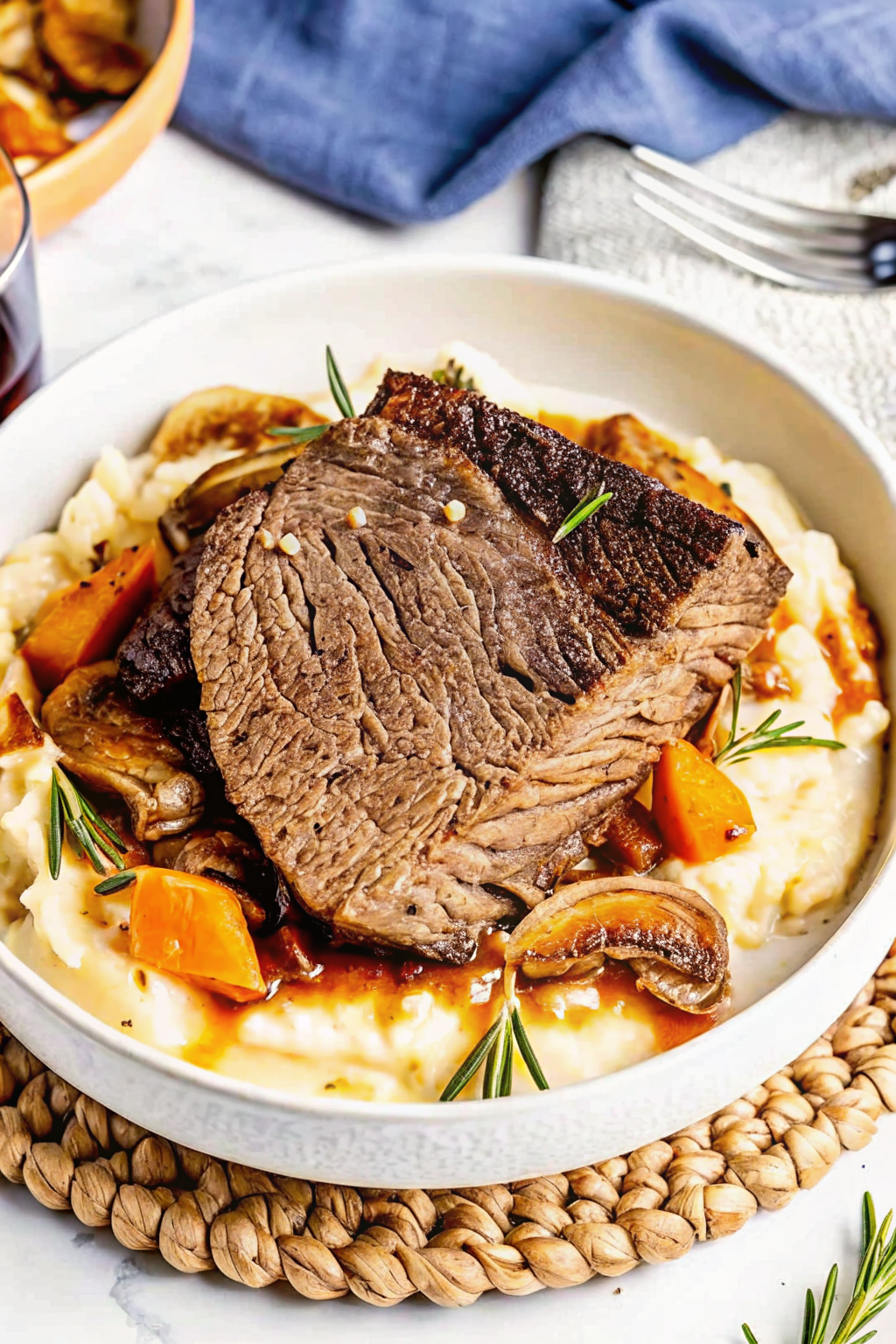
Serve thick slices of roast beef alongside classic sides. You can’t go wrong with potatoes. Personally, I love pairing the savory beef juices with garlic mashed potatoes. The potatoes act like a sponge for any extra sauce on the plate.
Add a green vegetable to pretend we are being healthy. Roasted asparagus or green beans work well.
The Horseradish Kick
Beef and horseradish are best friends. The spicy, nasal-clearing heat of horseradish cuts right through the richness of the meat. Mix some prepared horseradish with sour cream and a little lemon juice for a quick creamy sauce.
Storing and Reheating Leftovers
You made a huge roast, so you probably have leftovers. The problem with reheating roast beef is that you cook it further. A medium-rare slice becomes well-done in seconds in the microwave.
The Cold Soak Method:
Don’t heat the meat directly. Heat your Au Jus until it is boiling hot. Place your cold, sliced beef into the hot liquid for just 30 seconds. The hot broth warms the meat without cooking it through.
You can also eat it cold. Cold roast beef sandwiches with mayo, lettuce, and tomato are elite lunch food.
If you find yourself with smaller scraps of beef that aren’t pretty enough for sandwiches, chop them up. You can throw them into a hearty beef stew later in the week. It adds a depth of flavor that raw stew meat just can’t match.
Common Mistakes to Avoid
Even seasoned cooks mess this up. Let’s look at the pitfalls so you can avoid them.
Mistake 1: Cooking Cold Meat
Don’t take the roast from the fridge and put it straight into the oven. The outside will burn before the cold center cooks. Let the beef sit on the counter for an hour before cooking to take the chill off.
Mistake 2: Trusting the Pop-Up Timer
Some roasts come with those little plastic timers stuck in them. Rip that thing out and throw it away. They usually pop when the meat is overcooked to the texture of a shoe sole. Trust your digital thermometer.
Mistake 3: Skimping on the Au Jus
Don’t just use plain water to deglaze the pan. Flavor comes from layers. Use broth, wine, or even a splash of soy sauce for depth. If your sauce tastes like hot water, you failed the mission.
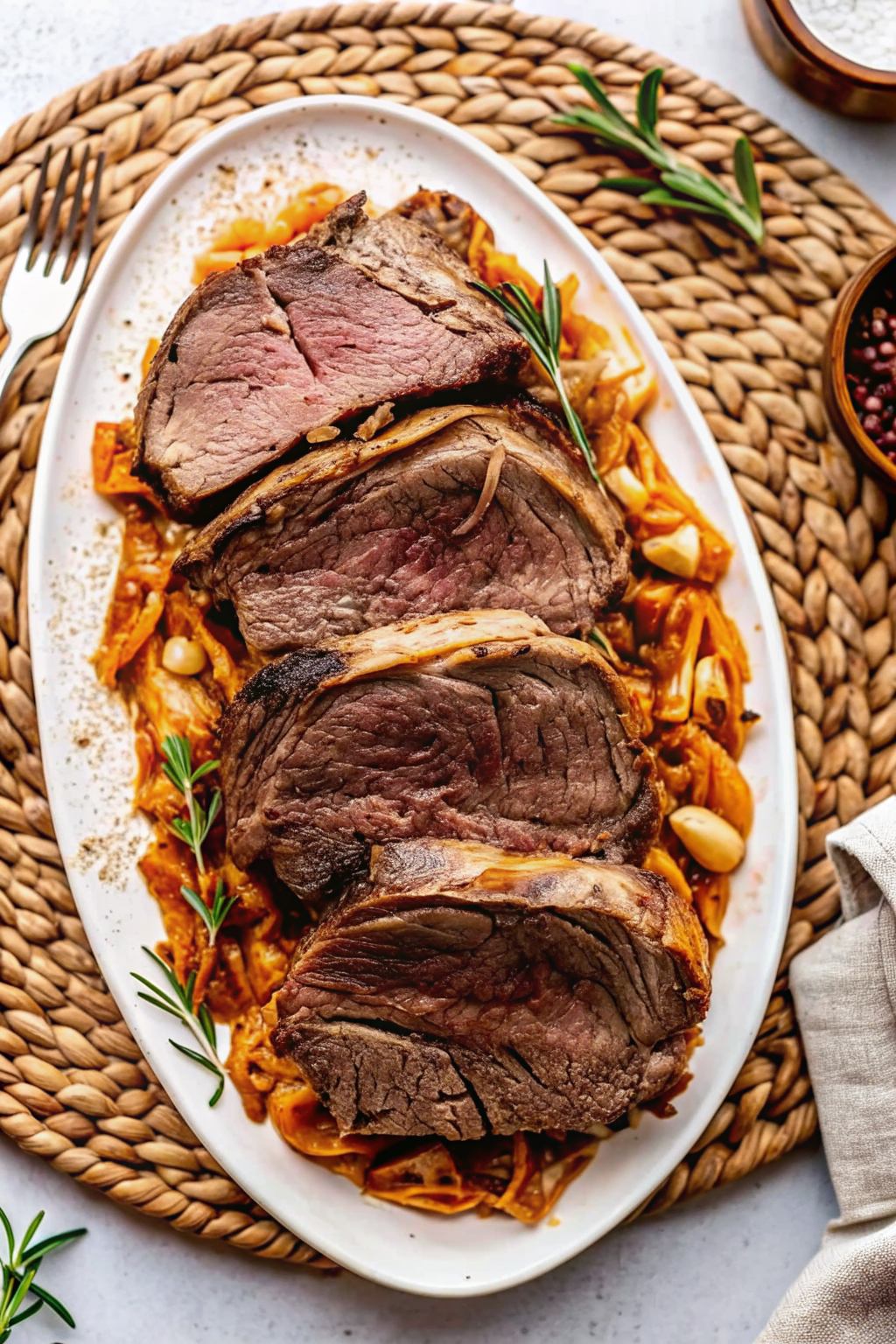
Why This Recipe Wins
Making Roast Beef with Au Jus at home saves you a fortune. Have you seen the price of deli meat lately? It’s highway robbery. Plus, the stuff in the plastic tub is full of preservatives and water.
When you make it yourself, you control the quality. You get that fresh, meaty flavor that only comes from roasting. You get the pride of slicing into a perfectly pink center.
And let’s not forget the smell. Your house will smell incredible for days. It smells like comfort. It smells like you know what you’re doing in the kitchen.
So, go find a nice Top Round roast. Buy a bottle of red wine (one cup for the pot, one glass for you). Get that oven hot. You are about to make the best sandwich of your life.
For more details on beef cuts and safe cooking temperatures, check out this guide from the Certified Angus Beef brand. It helps visualize exactly which part of the cow you are eating.
Now, go preheat that oven. Happy cooking!
Tender Roast Beef with Au Jus
Author: Prep: 15 minutes Cook: 1 hour 30 minutes Total: 2 hours 5 minutesEquipment
- Roasting pan with rack
- Digital Meat Thermometer
- Sharp Carving Knife
- Cutting board
- Whisk
Ingredients
The Roast
- 3-4 lb Top Round or Top Sirloin Roast
- 3 tbsp Olive oil
- 1 tbsp Kosher salt don’t skimp!
- 1 tbsp Coarse ground black pepper
- 4 cloves Garlic minced
- 1 tbsp Fresh rosemary chopped
The Au Jus
- 1/2 cup Red wine Cabernet or Merlot work well
- 2 cups Beef broth or Consommé
- 1 tbsp Worcestershire sauce
- 2 sprigs Fresh thyme
- Pan drippings from the roast
For Serving (Optional)
- 8 French rolls or Hoagie buns toasted
- 8 slices Provolone or Swiss cheese
Notes
- Temper the Meat: Take your roast out of the fridge at least 45 minutes before cooking. Let it sit on the counter to take the chill off. This ensures it cooks evenly.
- Make the Rub: In a small bowl, mix the olive oil, kosher salt, black pepper, minced garlic, and chopped rosemary to create a paste.
- Season: Pat the roast dry with paper towels. Rub the seasoning paste all over the meat—top, bottom, and sides.
- The Blast: Preheat your oven to 450°F (230°C). Place the beef on a rack in a roasting pan (fat side up if there is a fat cap). Roast for 15–20 minutes to sear the outside and create a crust.
- The Coast: Reduce the oven temperature to 325°F (165°C). Do not open the oven door. Let the temperature drop naturally and continue roasting.
- Check the Temp: Cook until the internal temperature reaches 125°F (52°C) for medium-rare or 135°F (57°C) for medium. This usually takes about 15–20 minutes per pound, but trust your thermometer, not the clock!
- The Rest: Remove the roast from the pan and transfer it to a cutting board. Tent loosely with foil. Let it rest for at least 20–30 minutes. This is crucial for juicy Roast Beef with Au Jus.
- Make the Au Jus: While the beef rests, place your roasting pan on the stove over medium heat. Pour in the red wine (or a splash of broth) to deglaze the pan. Scrape up the brown bits (fond) from the bottom.
- Simmer: Add the remaining beef broth, Worcestershire sauce, and thyme sprigs. Simmer for 10 minutes to concentrate the flavors. Strain the sauce into a bowl.
- Slice and Serve: Using a very sharp knife, slice the beef as thinly as possible against the grain. Pile the meat onto toasted rolls with cheese and serve with a bowl of hot au jus for dipping
Nutrition