Let’s have a serious talk about the sad state of snacking. You come home after a long day, crave something crunchy, and toss a flat, waxy bag into the microwave. Two minutes later, you pull out a steaming sack that smells like chemical butter and scorched paper. You eat it, but you don’t enjoy it. You tolerate it.
Why do we do this to ourselves? We deserve better. We deserve popcorn that actually tastes like corn, snaps with a satisfying crunch, and carries real butter without turning into a soggy mess.
I used to be a microwave loyalist. I thought stovetop popping required a degree in physics or a hazmat suit. Then, one movie night, I ran out of bags. I found a jar of dusty kernels in the back of the pantry and grabbed a pot. That night changed everything. The taste was cleaner, the texture was lighter, and the satisfaction of hearing those kernels explode like tiny fireworks? Unbeatable.
So, throw away the blue box. We are going back to basics. We are going to make the best bowl of corn you have ever tasted, and we are going to do it on the stove.
The Science of the Pop
Before we start cooking, you need to understand your ingredient. A popcorn kernel is a tiny biological pressure cooker. Inside that hard outer shell (the hull), a tiny droplet of water lives inside a circle of soft starch.
When you apply heat, that water turns to steam. The pressure builds. And builds. Finally, the hull fails, the starch expands instantly, and boom—you have a fluffy white cloud.
Why does this matter?
Because if your kernels are old, that water evaporates. No water means no steam. No steam means you end up with “old maids” (the sad, unpopped kernels at the bottom of the bowl).
To keep your kernels fresh:
- Store them in glass. Ideally, a mason jar with a tight seal.
- Keep them cool. A dark pantry works best.
- Avoid the fridge. The refrigerator actually dries out the kernels faster due to the low humidity.
Choosing Your Weapon: The Kernel
You might think “corn is corn,” but you would be wrong. Just like apples, different corn varieties serve different purposes. If you browse the gourmet aisle or order online, you will see two main contenders.
Yellow Kernels (The Movie Star)
These are the industry standard. They pop into large, butterfly-shaped flakes. They have a sturdy texture and a distinct, nutty corn flavor. If you want that classic cinema experience where the popcorn holds up under heavy butter, go yellow.
White Kernels (The Gentle Soul)
I prefer these for lighter snacking. They pop slightly smaller and tenderer. The hulls are thinner, which means you get less of that annoying shell stuck between your teeth. IMO, if you plan to use just a little salt and olive oil, white corn is the superior choice.
There is also “Mushroom” popcorn. These kernels pop into round, dense balls. You usually see these in commercial caramel corn because they don’t crush easily during the mixing process. Unless you plan on making a heavy glaze, stick to butterfly flakes.
The Pot Matters
Do not try to pop corn in a thin, cheap saucepan. You will burn the corn before it even thinks about popping. You need heat retention.
The best tools for the job:
- A Dutch Oven: Heavy cast iron (enameled is best) distributes heat evenly.
- A Stainless Steel Stockpot: Make sure it has a thick bottom.
- The Whirley Pop: Look, I hate single-use gadgets. But this thing—a pot with a hand crank on the lid—is legendary for a reason. It keeps the corn moving so nothing burns.
If you don’t have a Whirley Pop, don’t worry. A regular pot works perfectly if you use the right technique.
The Great Oil Debate
Here is where the flavor lives. The oil you choose dictates the entire vibe of the snack.
- Coconut Oil: This is the movie theater secret. The cinemas use refined coconut oil colored with beta-carotene (orange stuff). It gives the popcorn that signature yellow tint and subtle aroma.
- Ghee (Clarified Butter): Regular butter burns at high heat. Ghee has the milk solids removed, so it can handle the temperature. It infuses a rich, buttery flavor right into the pop.
- Neutral Oil: Grapeseed, canola, or vegetable oil. Use these if you want the corn flavor to shine or if you plan to season it with something strong later.
- Olive Oil: Use this cautiously. It has a low smoke point. If you use it, keep the heat medium, or your kitchen will smell like a burnt Italian restaurant :/
The Foolproof Stovetop Method
Ready to cook? Follow this process exactly, and I guarantee you won’t burn a single kernel.
Step 1: The Test Run
Place your heavy pot on the stove over medium-high heat. Add 3 tablespoons of your chosen oil and only three kernels. Put the lid on. Wait.
Why do we do this? We are calibrating the heat. When you hear those three kernels pop—pop, pop, pop—you know the oil is at the perfect temperature (around 400°F).
Step 2: The Equalizer
Remove the pot from the heat. Immediately fish out the three popped kernels (eat them as a reward). Pour in 1/2 cup of popcorn kernels. Cover the pot and give it a shake to coat the corn in oil.
Wait 30 seconds off the heat. This is the secret. By letting the corn sit in the hot oil away from the flame, you bring all the kernels up to a near-popping temperature together. This ensures they all pop simultaneously later, rather than a slow, staggered popping that burns the early birds.
Step 3: The Main Event
Put the pot back on the heat. Within seconds, it will sound like a machine gun battle. Shake the pot gently back and forth to settle the unpopped kernels to the bottom where the heat is.
Step 4: The Vent (Crucial!)
As the popping slows down, tilt the lid slightly to let steam escape. This is the most important step. If you keep the steam trapped, it condenses on the lid and drips back onto the popcorn. That makes it chewy and tough. Venting the steam keeps the popcorn crispy.
Once the pops slow to 2–3 seconds apart, kill the heat and dump the corn into a massive bowl immediately.
Seasoning: The Art of Adhesion
We have a problem. Salt bounces off dry popcorn. If you sprinkle table salt over your bowl, it will all end up at the bottom, and your corn will taste bland.
You have two options to fix this.
Option A: Superfine Salt
You can buy “popcorn salt” at the store, or you can just blitz your kosher salt in a spice grinder or mortar and pestle. The fine powder clings to the nooks and crannies of the kernel much better than heavy granules.
Option B: The Wet Binder
You need fat to make the seasoning stick. If you drizzle melted butter, do it in layers. Pour a little, toss. Pour a little, toss. If you dump it all at once, you create a soggy clump.
Sometimes I crave the complexity of a Chex mix recipe with all its different textures, but honestly, that takes over an hour. Popcorn gives me that salty fix in five minutes flat. If I want to feel fancy, I use truffle oil and parmesan cheese.
The Movie Theater Hack: Flavacol
Ever wondered why home popcorn never tastes exactly like the cinema? The answer is Flavacol. It’s an ultra-fine, orange-colored salt that theaters use. It contains artificial flavors and colors, so it’s not exactly health food. But if you want that nostalgia trip, buy a carton. A pinch goes a long way. You add it to the oil before you pop the corn, and it seasons every kernel as it expands.
Sweet vs. Savory
While I usually lean savory, sweet popcorn has its place. Kettle corn is the bridge between the two worlds. To make it, you simply add white sugar to the pot right after you add the kernels.
Warning: Sugar burns instantly. You must shake the pot constantly if you make kettle corn. If you stop shaking, you will ruin your pot.
For a safer sweet treat, drizzle melted chocolate over the finished popcorn. It’s significantly easier than baking a whole apple pie dessert when you need a sugar rush on a Tuesday night.
Creative Mix-Ins
Don’t let the fun stop at salt and butter. Treat your bowl like a blank canvas.
- Nutritional Yeast: This is a game-changer. It tastes cheesy and nutty but is totally vegan. I coat my popcorn in this stuff.
- Old Bay: For a spicy, crab-boil vibe.
- Furikake: A Japanese seasoning with seaweed and sesame seeds. Pair this with a little sesame oil for an umami bomb.
- The Trail Mix Vibe: Sometimes, I toss in a handful of roasted peanuts or almonds. You can even toss in some salted mixed nuts if you want a protein boost and extra crunch.
Is Popcorn Healthy?
Actually, yes. Unlike potato chips, which are fried slices of starch, popcorn is a whole grain. It is high in fiber and antioxidants.
The problem isn’t the corn; it’s what we put on it. A tub of movie theater popcorn can have more calories than a burger. But if you air-pop it or use a moderate amount of olive oil and salt, it’s a fantastic diet-friendly snack. It provides volume. You can eat a huge bowl for very few calories, which tricks your brain into feeling full.
Troubleshooting Your Batch
“My popcorn is chewy.”
You trapped the steam! Next time, crack the lid slightly during the popping process to let the moisture out. Also, make sure your oil was hot enough. Slow cooking can toughen the starch.
“I have too many unpopped kernels.”
Your heat was likely too low, or you overcrowded the pot. The kernels need room to dance. Or, your corn is old and has lost its moisture content.
“I burned it.”
It happens. You stopped shaking the pot, or you left it on the heat too long after the popping slowed down. Trust your ears. When the noise stops, get it off the stove immediately.
Why We Love It
There is something primal about cooking popcorn. It involves fire, noise, and transformation. It’s a sensory experience that pre-packaged snacks can’t replicate.
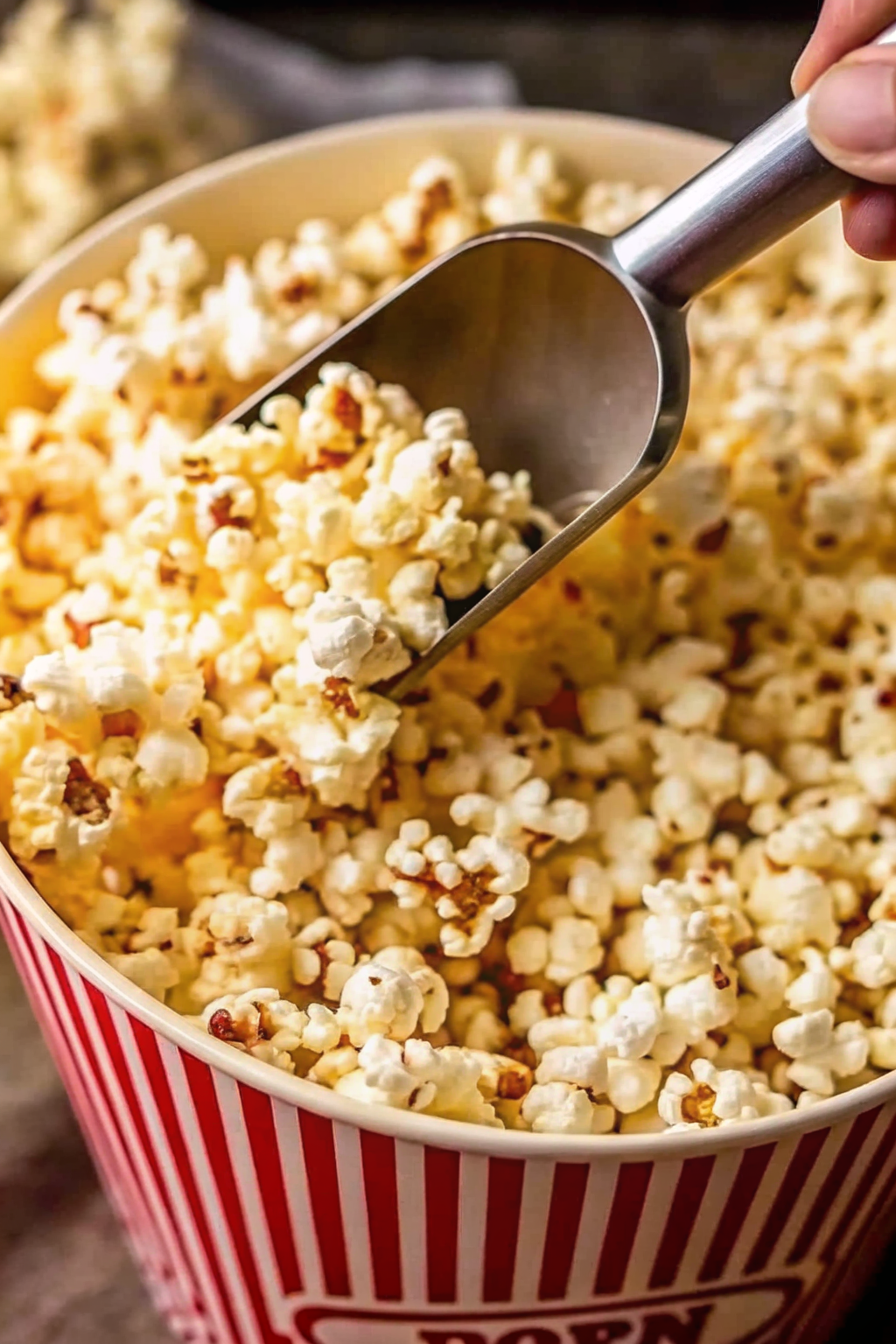
It satisfies that craving for comfort food without the effort of a full roast goose dinner. It’s casual. It’s communal. You put a big bowl in the center of the table, and suddenly everyone is talking and reaching for a handful.
Final Thoughts
Making stovetop popcorn is a small skill that pays massive dividends. It saves you money, it tastes infinitely better, and it makes your house smell like a home, not a factory.
So tonight, skip the microwave. Get the big pot. Watch the kernels spin. Listen to the pop. And please, for the love of all things holy, use real butter. Your tastebuds will thank you 🙂
Now, go find a good movie. You have snacks to make. For more science on why this snack is so fascinating, check out this breakdown from Carolina Science Cafe on the physics of popping corn. It’s surprisingly cool stuff.
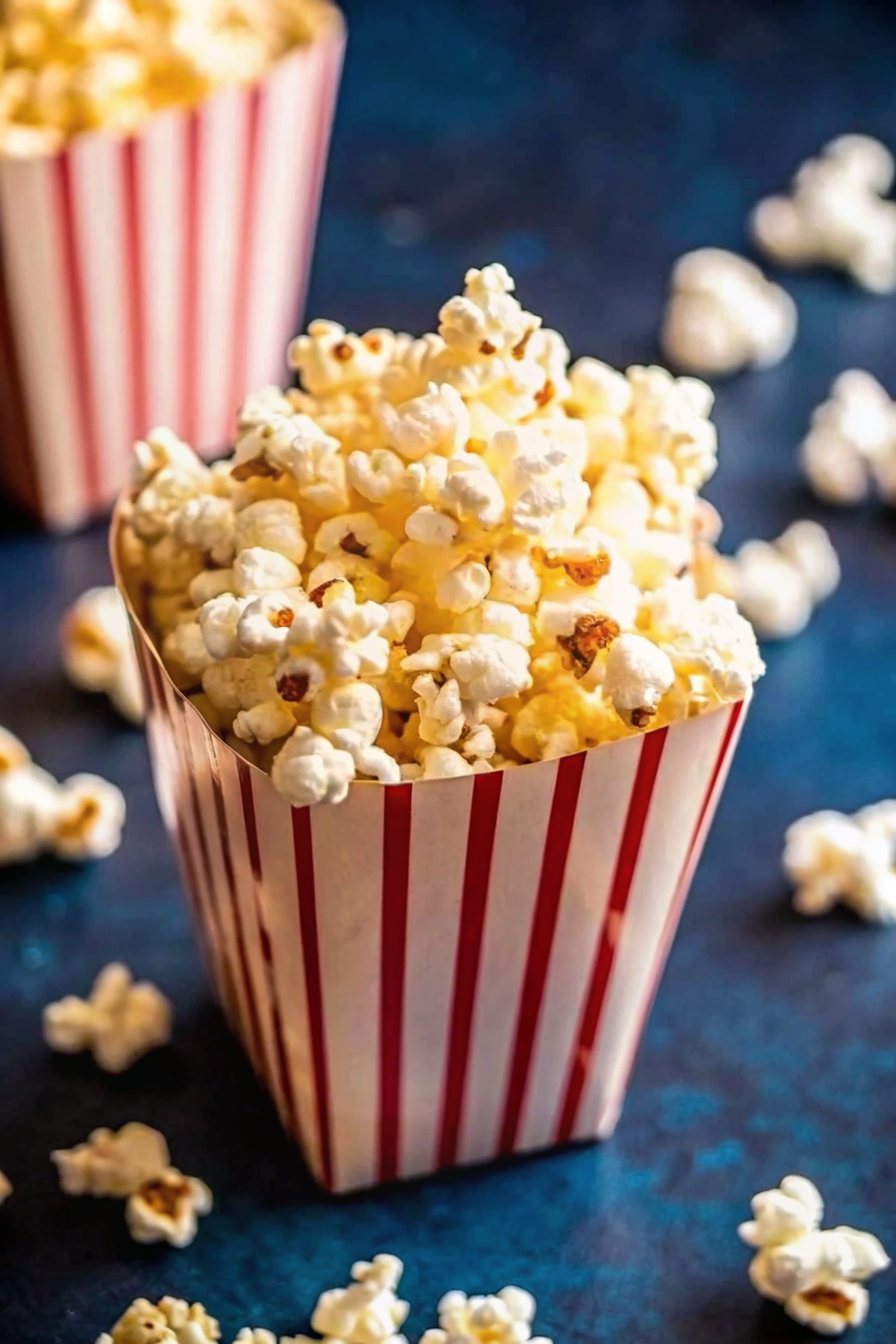
The Best Stovetop Popcorn
Author: Prep: 2 minutes Cook: 8 minutes Total: 10 minutesEquipment
- Heavy-bottomed pot with a lid (Dutch oven or stainless steel)
- Large serving bowl
- Oven mitts
Ingredients
The Base
- 3 tbsp Coconut oil or Ghee / Vegetable oil
- 1/2 cup High-quality popcorn kernels
The Seasoning
- 2 tbsp Unsalted butter melted (optional)
- 1/2 tsp Fine sea salt or popcorn salt, to taste
Instructions
- The Test Run: Place your heavy-bottomed pot over medium-high heat. Add the oil and just 3 kernels. Cover the pot.
- Listen for the Pop: Wait until you hear all three kernels pop. This indicates your oil is at the perfect temperature (approx 400°F).
- The Pause: Immediately remove the pot from the heat. Fish out the three popped kernels (feel free to eat them!). Pour in the remaining ½ cup of popcorn kernels.
- The Equalizer: Cover the pot and give it a gentle shake to coat the corn in oil. Let it sit off the heat for exactly 30 seconds. This brings all kernels to a near-popping temperature so they will pop simultaneously later.
- The Main Event: Return the pot to medium-high heat. Within seconds, the popping should start aggressively. Gently shake the pot back and forth over the burner to prevent burning.
- Vent the Steam: Once the popping really gets going, tilt the lid slightly to let the steam escape. This is crucial! Trapped steam makes stovetop popcorn chewy; venting makes it crispy.
- Finish: When the popping slows to about 2 to 3 seconds between pops, remove from heat immediately and dump it into your serving bowl.
- Season: Drizzle with melted butter (in layers, tossing as you go) and sprinkle with fine salt.
Notes
- Why wait 30 seconds? Taking the pot off the heat allows the kernels to heat up evenly without popping. When you put them back on the fire, they all pop at once, leaving you with almost zero unpopped “old maids.”
- Salt Tip: Regular table salt often bounces off dry popcorn. Pulse your salt in a spice grinder to make a fine powder—it sticks much better!
- Oil Choice: Use coconut oil for that classic movie theater flavor. Use olive oil only if you keep the heat moderate, as it burns easily.
- Storage: If you have leftovers (unlikely!), store them in an airtight container at room temperature. Do not refrigerate.
Nutrition