Let’s be real. We have all eaten salmon that tasted like a salty kitchen sponge. You know the kind—it’s dry, it’s flavorless, and you need a gallon of water just to swallow a single bite. It is a tragedy. Fish should not taste like cardboard. But for some reason, people find cooking fish incredibly intimidating.
I used to be one of those people. I would stare at the seafood counter, panic, and then just buy chicken breasts again. But then I discovered the magic of Garlic Butter Baked Salmon.
This recipe completely changed my relationship with seafood. It is impossibly easy, fast, and frankly, it makes you look like a culinary genius with minimal effort. You basically throw some ingredients in foil, shove it in the oven, and wait. That’s it.
If you love savory, rich, melt-in-your-mouth food, you are in the right place. Today, we aren’t just cooking fish; we are creating a buttery masterpiece that will make your family think you secretly ordered takeout from a high-end bistro.
Why This Recipe Wins Every Time
You might wonder, “Why bake it? Why not pan-sear it?” Pan-searing is great, sure. But it also makes your house smell like low tide for three days, and you have to scrub oil splatters off your stove.
Baking, specifically in foil or parchment, traps the moisture. The salmon steams in its own juices along with that glorious garlic butter. This method guarantees a tender, flaky texture every single time.
Plus, the cleanup involves crumbling up a piece of foil and throwing it in the trash. IMO, that is the best part. I love cooking, but I hate doing dishes with a fiery passion.
The Holy Trinity: Garlic, Butter, Lemon
These three ingredients do the heavy lifting here.
- Butter: Provides the fat and richness that lean fish needs.
- Garlic: Adds the punchy, aromatic flavor that wakes up your palate.
- Lemon: Cuts through the richness of the butter and adds a bright, zesty finish.
Choosing Your Salmon: Don’t Panic
Walking up to the seafood counter feels overwhelming. You see Atlantic, Sockeye, Coho, King, Farmed, Wild… it’s a lot. Let’s break it down so you buy the right filet for your Garlic Butter Baked Salmon.
Wild-Caught vs. Farmed
I prefer Wild-Caught salmon when I can afford it. It has a deeper red color and a more robust flavor. However, it is leaner, so you have to watch the cooking time closely.
Farmed salmon is fattier and more forgiving if you accidentally leave it in the oven a minute too long. Use whatever fits your budget. Both will taste amazing when swimming in garlic butter.
Skin-On or Skin-Off?
I always buy skin-on. Even if you don’t eat the skin, it protects the meat from the heat of the pan or baking sheet. It acts like a little heat shield, keeping the meat moist. Plus, you can easily slide the meat off the skin after baking.
The Sauce: Mixing the Magic
This is where the magic happens. Do not just slap a cold pat of butter on the fish and hope for the best. You need to make a compound butter mixture first.
Grab a small bowl. Soften your butter (don’t melt it all the way; soft is better).
- Mince fresh garlic. Please, I beg of you, do not use the jarred stuff. It tastes like vinegar and regret. Fresh garlic has a spicy bite that mellows out beautifully in the oven.
- Chop your herbs. Parsley is classic, but dill or cilantro work if you want to switch up the vibe.
- Squeeze fresh lemon juice.
Mix this all together into a paste. This paste ensures that every square inch of your salmon gets an equal amount of love. You want flavor in every bite, not just the center.
The Foil Packet Technique
I swear by the foil method. It creates a mini steam oven right around your fish.
- Lay out a large piece of heavy-duty foil.
- Place lemon slices down first. This is a pro tip. The lemons act as a rack, lifting the salmon off the foil so it doesn’t stick or burn. Plus, it infuses flavor from the bottom up.
- Lay the salmon on the lemons.
- Slather that butter. Use a spoon or your hands (wash them first, obviously) to rub that garlic butter paste all over the top.
Fold the foil up and seal the edges. You don’t want it super tight; leave a little room for air to circulate inside the packet.
FYI, if you are planning a full dinner party and need a starter while the fish bakes, a savory puff pastry tree makes for a stunning centerpiece that pairs surprisingly well with the richness of the salmon.
The Bake: Timing is Everything
Overcooked salmon is the enemy. It turns chalky and tough. You want to pull it out of the oven exactly when it turns opaque and flakes easily with a fork.
Temperature Matters.
I bake mine at 400°F (200°C). High heat cooks the fish quickly, which helps retain moisture.
How Long?
- Standard Filet: Usually takes 12–15 minutes.
- Thick Filet: Might need 16–20 minutes.
The “White Stuff” Panic
Ever see that white gunk ooze out of the salmon? That is called albumin. It’s just a protein that coagulates when the fish gets hot. It is safe to eat, but it looks unappealing. If you see a ton of it, you cooked the fish a little too hard or too fast. Next time, check it a minute earlier.
For absolute safety, the USDA recommends an internal temperature of 145°F, but many chefs prefer pulling it at 135°F and letting it rest, as the temperature continues to rise (carryover cooking).
Broiling for the Finish
Here is the secret step that takes Garlic Butter Baked Salmon from “good” to “restaurant quality.”
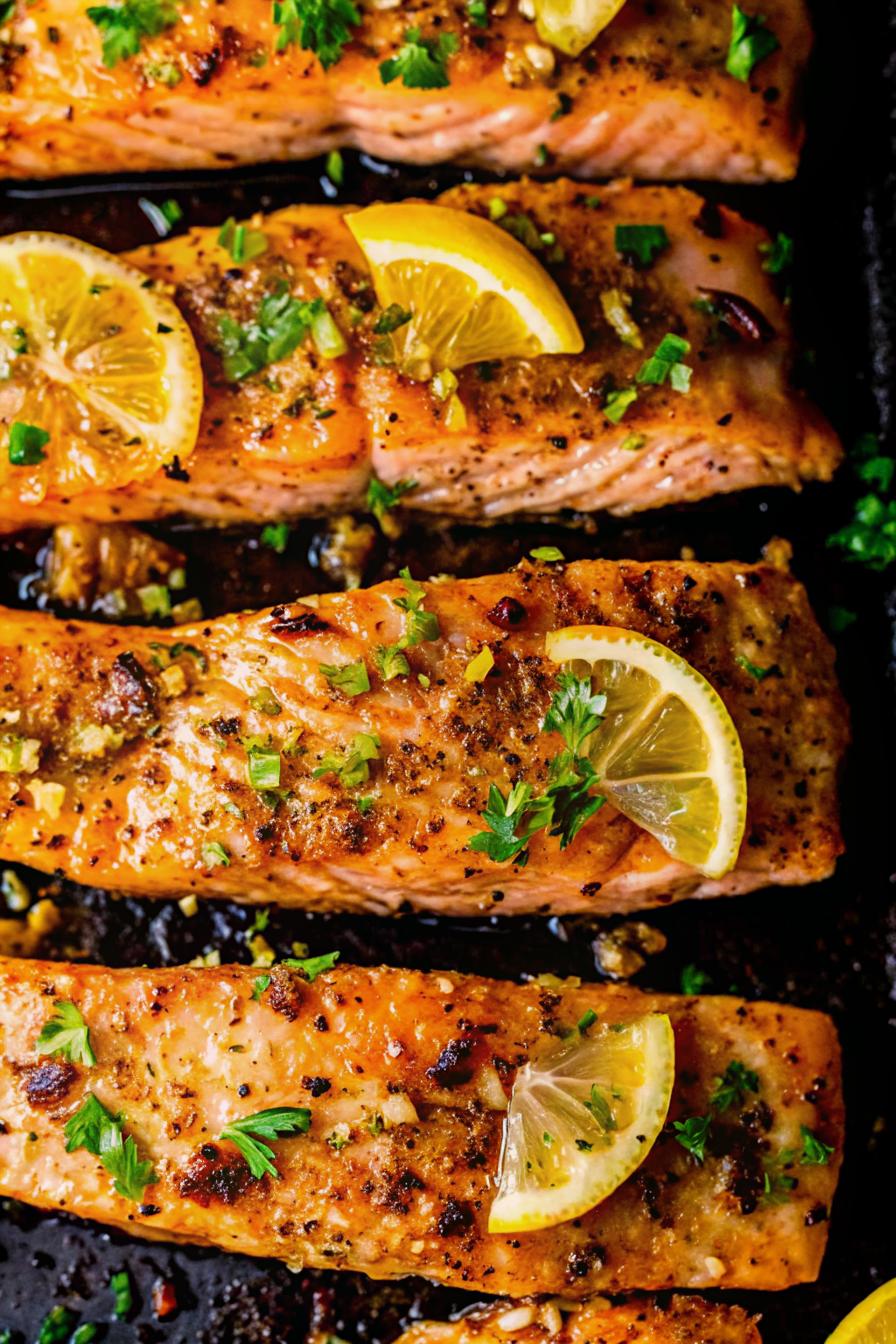
Once the fish cooks through, open the foil packet. Expose the top of the fish. Switch your oven to Broil.
Put the fish back in for 2–3 minutes. Keep your eyes on it! The broiler creates caramelized edges on the garlic and butter. It gives the fish a beautiful golden color instead of that pale pink look. It also adds a slight texture contrast to the soft meat.
Side Dishes: completing the Meal
Salmon is rich, especially with all this butter. You need sides that balance that richness.
Carbs:
Rice is the standard choice. The rice soaks up the extra garlic butter sauce on the plate. However, if you want something with a bit more texture, I love serving this alongside garlic roasted potatoes. The crispy potatoes and the buttery fish are a match made in heaven.
Vegetables:
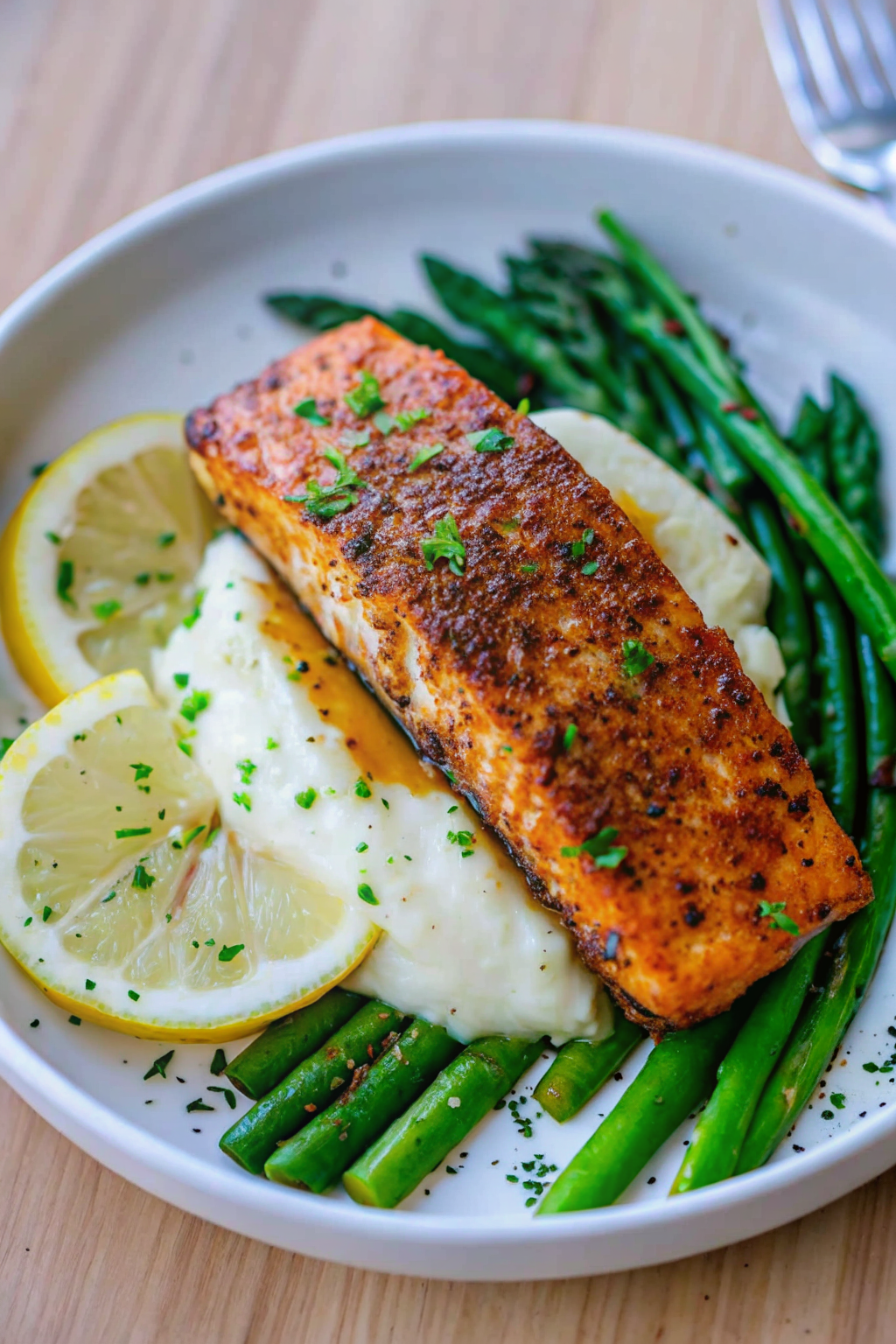
You need something green. Roasted asparagus or steamed broccoli works perfectly.
- Asparagus: You can actually throw the asparagus right onto the baking sheet next to the foil packet. They take about the same amount of time to cook.
- Green Beans: Sauté them with a little lemon zest to mirror the flavors in the fish.
If you have a picky eater in the house who refuses to eat anything from the ocean (we all know one), you might want to have a backup plan. I usually make a batch of balsamic glazed roast beef for the meat lovers, and honestly, the two main dishes look fantastic on a holiday table together.
Variations on the Flavor
Once you master the basic garlic butter version, you can get creative.
The Spicy Kick:
Add red pepper flakes or a teaspoon of Sriracha to the butter mixture. The heat cuts through the fat beautifully.
The Honey Glaze:
Mix a tablespoon of honey into the butter. This creates a sweet and savory profile that kids usually love. The sugars will caramelize under the broiler, giving you sticky, crispy edges.
The Herb Garden:
If you grow herbs, use them. Fresh dill is classic with seafood. Tarragon adds a sophisticated anise flavor. Basil makes it taste like summer.
Common Mistakes to Avoid
Even though this recipe is simple, things can go wrong. Let’s troubleshoot before you even start.
1. Not Drying the Fish
Wet fish steams; it doesn’t bake well. Take a paper towel and pat the salmon dry before you add the butter. If the surface is wet, the butter slides right off.
2. Adding Salt Too Early
Salt draws out moisture. I season the fish right before it goes into the oven. If you salt it and let it sit for 30 minutes, you end up with dry fish.
3. Ignoring the Thickness
Not all salmon filets are the same size. The tail end is thin; the center cut is thick. If you bake a whole side of salmon, the tail will cook faster. I usually tuck the thin tail underneath itself to create a uniform thickness.
Storing and Reheating Leftovers
Fish is notorious for being terrible as a leftover. However, you can save it if you are gentle.
Storage:
Store leftovers in an airtight container in the fridge for up to 3 days.
Reheating:
Do not—I repeat, do not—microwave leftover salmon. You will regret it. The texture becomes rubbery, and your office breakroom will smell weird.
Instead, reheat it low and slow. Place the salmon on a baking sheet, cover it loosely with foil, and warm it in a 275°F oven for about 15 minutes. This warms it through without cooking it further.
Alternatively, don’t reheat it at all. Flake the cold salmon over a salad or mix it with some cream cheese for a salmon spread. Cold salmon is delicious; rubbery hot salmon is not. :/
The Health Bonus
We usually eat Garlic Butter Baked Salmon because it tastes amazing, but it also happens to be good for you.
Salmon is loaded with Omega-3 fatty acids. You know, the good fats that help your brain and heart. It’s also a protein powerhouse. So, even though we are slathering it in butter, the base is healthy. It’s all about balance, right?
Serving Tips for Guests
If you serve this at a dinner party, presentation matters.
- Transfer it: Don’t just serve it in the crinkled foil. Lift the fish out (using a large spatula) and place it on a nice platter.
- Garnish: Sprinkle fresh chopped parsley and place fresh lemon wedges around the fish.
- Pour the Sauce: There will be melted butter and juices left in the foil. Pour that liquid gold into a small pitcher or drizzle it right over the fish on the platter. Do not throw that flavor away!
Final Thoughts
Cooking seafood doesn’t have to be scary. It doesn’t require a culinary degree or fancy equipment. You just need fresh ingredients and a timer.
This Garlic Butter Baked Salmon is my back-pocket recipe. I make it when I’m tired, when I have guests, or when I just want to feel good about what I’m eating. The smell of garlic and lemon roasting in the oven instantly makes the house feel like home.
So, go buy a filet. Get the good butter. invite some friends over (or don’t, and keep the leftovers for yourself). Once you take that first bite of tender, buttery, flaky fish, you will never look at the seafood counter with fear again. You’ve got this.
Now, go preheat that oven!
Garlic Butter Baked Salmon
Author: Prep: 10 minutes Cook: 15 minutes Total: 25 minutesEquipment
- Large Rimmed Baking Sheet
- Heavy Duty Aluminum Foil
- Small mixing bowl
- Chef’s knife
Ingredients
The Fish
- 1.5 lb Salmon filet whole side or 4 individual filets
- 1/2 tsp Kosher salt
- 1/2 tsp Black pepper freshly cracked
- 1 large Lemon sliced into rounds
The Garlic Butter Mixture
- 4 tbsp Unsalted butter melted (or very soft)
- 4 cloves Garlic minced fresh (don’t use jarred!)
- 2 tbsp Fresh parsley chopped (or dill)
- 1 tbsp Fresh lemon juice
For Garnish
- Extra lemon wedges
- Chopped parsley
Instructions
- Preheat: Preheat your oven to 400°F (200°C).
- Make the Sauce: In a small bowl, whisk together the melted butter, minced garlic, chopped parsley, and fresh lemon juice. Set this liquid gold aside.
- Prep the Foil: Line a baking sheet with a large piece of heavy-duty aluminum foil. You want enough foil to fold over and seal the salmon later.
- Create a Lemon Bed: Lay the lemon slices down in a row in the center of the foil. Place the salmon filet(s) directly on top of the lemons. (This adds flavor and prevents the skin from sticking to the foil!).
- Season: Pat the salmon dry with a paper towel. Season generously with the kosher salt and black pepper.
- Butter It Up: Pour the garlic butter mixture over the salmon. Use a spoon or brush to ensure the top is completely coated.
- Seal: Fold the sides of the foil up over the salmon to create a packet. Leave a little room inside for air to circulate, but seal the edges tightly so the juices don’t leak.
- Bake: Bake for 12–15 minutes, depending on the thickness of your fish.
- The Broil Finish: carefully open the foil packet to expose the top of the fish. Switch the oven to Broil and cook for another 2–3 minutes. Watch closely! You want the garlic to get golden and caramelized, not burnt.
- Serve: Remove from the oven. Spoon any juices left in the foil back over the fish. Garnish with fresh herbs and serve immediately.
Notes
- Don’t Overcook: The salmon is done when it turns opaque and flakes easily with a fork. If you see a lot of white stuff (albumin) oozing out, it’s definitely done—pull it out!
- Storage: Store leftovers in an airtight container in the fridge for up to 3 days.
- Reheating: Avoid the microwave! Reheat gently in a low oven (275°F) covered with foil until just warm.
- Skin On or Off? I prefer baking with the skin on as it keeps the meat moist. You can easily remove it after baking if you don’t want to eat it.
- Spice it Up: Add a pinch of red pepper flakes to the butter mixture if you like a little heat.
Nutrition